


Alcohol use during breastfeeding raises important questions about safety for both mother and baby. Many mothers around the world consume alcohol, with rates varying by region:
| Region | Percentage of Breastfeeding Mothers Consuming Alcohol |
|---|---|
| United States | 36% |
| Australia | 47% |
| Canada | 20% |
| Netherlands | 19% – 22% |
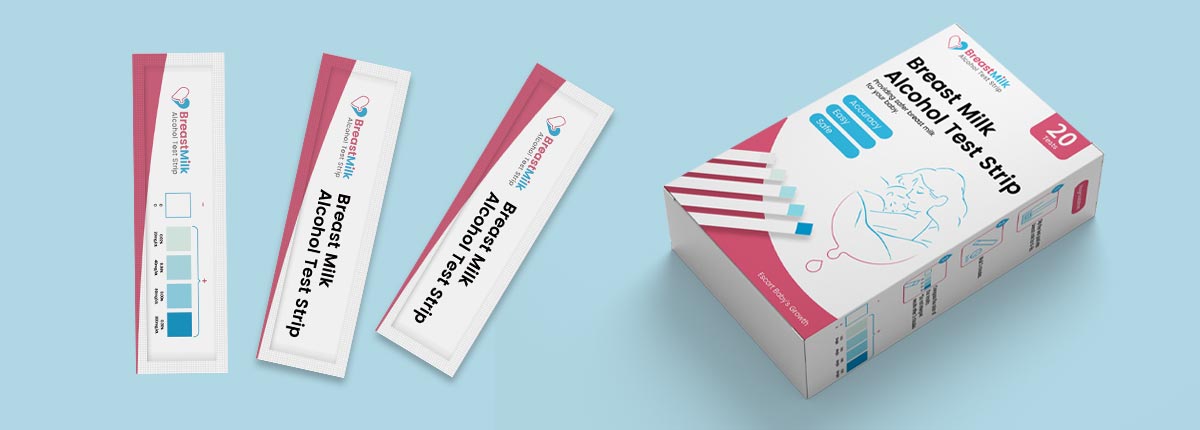
Alcohol passes into breast milk and can affect an infant’s sleep, development, and feeding patterns. Infants metabolize alcohol slowly, which increases their sensitivity to its effects. Drinking while breastfeeding involves risks such as impaired judgment, decreased milk production, and altered infant suckling. Differences exist between wine, beer, and spirits, but moderation and timing remain crucial. Breast milk alcohol test strip offers mothers a practical way to check safety before feeding.
Choosing evidence-based strategies helps mothers protect their babies while making informed decisions about alcohol.
Key Takeaways
- Moderate alcohol consumption, defined as one standard drink per day, is generally safe for breastfeeding mothers if they wait at least two hours before nursing.
- Alcohol can decrease milk production and disrupt infants’ sleep patterns, so timing and moderation are crucial for minimizing risks.
- Using alcohol breast milk test strip can help mothers check alcohol levels in their milk, providing reassurance before breastfeeding.
- Planning ahead by nursing before drinking and waiting a few hours afterward can help protect infants from alcohol exposure.
- Choosing non-alcoholic alternatives, like herbal teas or nonalcoholic beer, allows mothers to enjoy social occasions without risking their baby’s health.
Drinking While Breastfeeding: Is It Safe?
Safety Overview
Drinking while breastfeeding often raises concerns about the health and safety of both mother and child. Major health organizations, including the CDC and Cleveland Clinic, state that occasional alcohol consumption is acceptable for breastfeeding mothers. They recommend waiting a sufficient amount of time after drinking before nursing. Specifically, mothers should wait about two hours after consuming one standard drink. If a mother consumes more than one drink, she should wait longer before breastfeeding. The CDC also notes that pumping and dumping does not speed up the removal of alcohol from breast milk. Mothers should only nurse when they feel neurologically normal.
The safest option for breastfeeding safety remains abstaining from alcohol. However, moderate intake—defined as up to one drink per day—does not appear to harm the infant. Timing plays a crucial role in minimizing risk. Alcohol reaches its peak concentration in breast milk about 30 to 60 minutes after drinking without food, and 60 to 90 minutes if consumed with food. The body typically eliminates alcohol from breast milk within two to three hours for one serving. Consuming more than one drink per day is not recommended.
Tip: Waiting at least two hours after a single drink before breastfeeding helps reduce the risk of alcohol exposure for the baby.
| Recommendation | Details |
|---|---|
| Safe Option | Not drinking alcohol is the safest option for breastfeeding mothers. |
| Moderate Intake | Up to one drink per day is not known to be harmful to the infant. |
| Nursing Delay | Wait at least 2 hours after a single drink before nursing. |
| Limit | Consuming more than one drink per day is not recommended. |
Factors Affecting Risk
Several factors influence the risk associated with drinking while breastfeeding. The amount of alcohol consumed, the timing of breastfeeding after drinking, and the mother’s metabolism all play important roles. Alcohol can decrease milk production, which may result in infants consuming about 20% less milk in the hours following maternal intake. Babies may experience disrupted sleep patterns, with even small amounts of alcohol in breast milk causing fragmented sleep and increased arousal. Long-term exposure to alcohol during lactation may lead to developmental delays, including potential impacts on cognitive and motor function.
Other factors include the age and health of the infant. Newborns and premature babies metabolize alcohol more slowly, increasing their sensitivity to its effects. The type of alcohol consumed—whether wine, beer, or spirits—does not significantly change the risk, as the key factor is the amount of pure alcohol present.
- Alcohol consumption can decrease milk production.
- Infants may consume less milk after maternal alcohol intake.
- Sleep patterns in babies may become more fragmented.
- Long-term exposure may affect cognitive and motor development.
- Younger and premature infants face higher risks.
Timing remains essential for reducing risk. Alcohol peaks in breast milk within an hour of drinking and declines as the body metabolizes it. Mothers who plan to drink should consider feeding their baby before consuming alcohol or waiting until the alcohol has cleared from their system.
Note: Drinking while breastfeeding requires careful planning and awareness of timing to protect the baby’s health.
How Alcohol Reaches Breast Milk?
Transfer Process
Alcohol enters breast milk through a straightforward biological process. After a person drinks alcohol, it moves from the digestive system into the bloodstream. The concentration of alcohol in breast milk closely matches the level found in the blood. This means that as the blood alcohol level rises, the amount in breast milk also increases. The transfer happens quickly and efficiently. The body does not filter alcohol out before it reaches the milk, so the baby can be exposed if breastfeeding occurs during this time. Mothers should understand that the amount of alcohol in their milk will decrease as their blood alcohol level drops.
The concentration of alcohol in breast milk peaks at nearly the same time as in the bloodstream, making timing an important factor for breastfeeding mothers.
Timing and Peak Levels
The timing of alcohol appearance in breast milk depends on several factors, including whether the mother has eaten. Alcohol reaches its highest level in breast milk about 30 to 60 minutes after drinking on an empty stomach. If the mother has eaten, the peak occurs a bit later, usually between 60 and 90 minutes. The following table shows how quickly alcohol peaks in breast milk under different conditions:
| Condition | Time to Peak Alcohol Level in Breast Milk |
|---|---|
| Empty Stomach | 30 to 60 minutes |
| Full Stomach | 60 to 90 minutes |
After reaching its peak, the alcohol in breast milk gradually decreases as the body processes and eliminates it. The rate of elimination depends on the amount consumed and the mother’s metabolism. Planning the timing of breastfeeding sessions can help reduce the baby’s exposure to alcohol.
Breastfeeding and Alcohol Use: Effects on Baby
Impact on Milk Intake
Breastfeeding and alcohol use can change how much milk infants consume. Clinical studies show that infants drink about 20% less breast milk during the three to four hours after their mothers consume alcohol. This decrease does not result from shorter nursing sessions or changes in milk flavor. Instead, alcohol affects the hormonal processes that control milk production. Mothers who drink may notice a temporary drop in the amount of milk available for their babies. The reduction in milk intake can lead to less nutrition for infants during this period.
- Infants consume less milk after maternal alcohol intake.
- Alcohol lowers milk production, not just nursing time.
- Hormonal changes in the mother influence milk supply.
Mothers who breastfeed should consider these effects when deciding whether to drink alcohol. Planning feeding times and monitoring milk supply can help reduce risks for infants.
Tip: Feeding infants before drinking alcohol may help ensure they receive enough milk and nutrients.
Sleep and Development
Alcohol in breast milk can also affect infants’ sleep patterns and development. Research shows that infants sleep less after consuming milk containing alcohol. The following table summarizes findings from a study that monitored infants’ sleep after exposure to alcohol through breast milk:
| Aspect | Details |
|---|---|
| Objective | To test the hypothesis that exposure to alcohol in breast milk affects infants’ sleep and activity levels in the short term. |
| Methods | Thirteen lactating women and their infants were tested on 2 days, with infants monitored using an actigraph. |
| Results | Infants spent significantly less time sleeping after consuming alcohol-flavored milk (56.8 minutes) compared to breast milk alone (78.2 minutes). |
| Conclusions | Short-term exposure to small amounts of alcohol in breast milk leads to changes in the infant’s sleep-wake patterning. |
Long-term exposure to alcohol during breastfeeding may impact infant neurodevelopment. Several studies report that infants exposed to alcohol through breast milk may show reduced body mass, lower verbal IQ scores, and dose-dependent reductions in cognitive functions. Some children experience deficits in academic abilities and abstract reasoning skills as they grow older. Infants exposed to alcohol may also score below average in personal-social interactions at twelve months.
| Study | Findings |
|---|---|
| Lawton, 1985; Chien et al., 2005 | Alcohol levels in breast milk mirror blood alcohol levels, peaking 30-60 min after consumption. |
| May et al., 2016 | Infants exposed to alcohol via breast milk may have reduced body mass and lower verbal IQ scores. |
| Gibson and Porter, 2018 | Dose-dependent reduction in cognitive functions observed in children aged 6-7 years. |
| Gibson and Porter, 2020 | Dose-dependent reductions in academic abilities up to grade 5. |
| Oei, 2019 | Deficits in abstract reasoning skills observed at age 7 in lactational-exposed children. |
| Tay et al., 2017 | Exposed infants scored below average in personal-social interactions at 12 months. |
Parents should understand these effects when considering breastfeeding and alcohol use. Monitoring infants for changes in sleep and development supports their health and well-being.
Comparing Alcohol Types
Wine
Wine contains a higher percentage of alcohol than beer but less than spirits. A standard serving of wine is about 5 ounces, which typically holds 12% alcohol. When a breastfeeding mother drinks wine, the alcohol level in her breast milk matches her blood alcohol level. Occasional consumption of wine, within recommended limits, has not shown harm to nursing babies. Experts advise waiting at least two hours after drinking wine before breastfeeding. Wine may decrease the milk-ejection reflex, which can reduce milk volume by less than 10%.
Tip: Drinking wine with food can slow the absorption of alcohol, helping to lower peak levels in breast milk.
Beer
Beer has the lowest alcohol content among common alcoholic beverages. A standard serving is 12 ounces, containing about 5% alcohol. Some believe beer increases milk production, but research does not support this claim. Alcohol in beer still passes into breast milk and can affect the baby. The recommended safe limit for beer is one serving per day. Mothers should wait at least two hours after drinking beer before nursing.
- Beer contains less alcohol than wine or spirits.
- One serving per day is considered safe for breastfeeding mothers.
Spirits
Spirits, such as vodka, whiskey, or rum, have the highest alcohol content. A standard serving is 1.5 ounces, which contains about 40% alcohol. Spirits raise blood alcohol levels quickly, leading to higher concentrations in breast milk. Mothers should limit spirits to one serving per day and wait at least two hours before breastfeeding. Drinking large amounts of spirits can decrease the milk-ejection reflex and reduce milk volume.
| Beverage | Volume | Alcohol Content |
|---|---|---|
| Beer | 341 ml | 5% |
| Wine | 142 ml | 12% |
| Spirits | 43 ml | 40% |
Differences in Effects
The main difference between wine, beer, and spirits lies in their alcohol content and how quickly they affect blood alcohol levels. Spirits contain the most alcohol per serving, followed by wine, then beer. The amount of alcohol consumed, not the type, determines the risk to the baby. Alcohol levels in breast milk always match those in the blood. Occasional drinking, within recommended limits, does not harm nursing infants. Large amounts of alcohol can reduce milk volume and affect the milk-ejection reflex.
- One standard drink per day is safe for breastfeeding mothers.
- Wait at least two hours after drinking before nursing.
- The type of alcohol does not change the risk if consumed in moderation.
Guidelines for Drinking While Breastfeeding
Recommended Limits
Health professionals recommend clear limits for alcohol consumption during breastfeeding. Experts advise mothers to drink only occasionally and avoid regular or heavy drinking. One standard drink per day is considered safe. A standard drink includes a 5-ounce glass of wine, a 12-ounce beer, or a 1.5-ounce serving of spirits. Mothers should not exceed this amount to protect their babies from unnecessary exposure.
The following table summarizes practical strategies for minimizing alcohol exposure in breastfed infants:
| Strategy | Description |
|---|---|
| Occasional drinking | Small amounts of alcohol can be consumed occasionally, but regular or heavy drinking should be avoided to limit exposure. |
| Avoid bed sharing | If alcohol is consumed, do not bed share with the baby or fall asleep on the sofa or chair. |
| Supervision after drinking | If heavy drinking occurs, ensure the baby is cared for by a sober adult. |
| Delay breastfeeding | To reduce exposure, avoid breastfeeding for 2-3 hours after drinking. |
| Awareness of needs | Binge drinking can impair awareness of the baby’s needs; supervision is necessary if disoriented. |
Mothers who follow these guidelines reduce the risk of alcohol affecting their infants. Occasional alcohol consumption, within recommended limits, does not harm most healthy babies.
Tip: Supervision by a sober adult is essential if the mother feels disoriented after drinking.
Timing Strategies
Timing plays a key role in safe breastfeeding after alcohol consumption. Experts recommend waiting 2 to 3 hours after a single drink before nursing. This waiting period allows the body to process and eliminate most of the alcohol from breast milk. Mothers can nurse their babies immediately before drinking to minimize exposure.
Individual factors such as body weight and food intake may affect how quickly alcohol leaves the system. Some mothers may need to wait longer, especially after consuming more than one drink. A time-to-zero calculator can help estimate when alcohol is no longer present in breast milk.
The table below outlines effective timing strategies for breastfeeding after alcohol consumption:
| Strategy | Details |
|---|---|
| Standard Rule | Wait 2 hours for every standard drink consumed. |
| Individual Variation | Timing may vary based on weight and number of drinks. |
| Return to Breastfeeding | After moderate drinking, breastfeed when feeling neurologically normal. |
| Time-to-Zero Calculator | Use a calculator to estimate when alcohol is eliminated from breast milk. |
- Nurse the baby before drinking.
- Wait 2 to 3 hours after a single drink before breastfeeding again.
- Use a calculator or app to estimate safe timing.
Note: Mothers should always assess their own alertness before breastfeeding after alcohol consumption.
Using Breast Milk Alcohol Test Strip
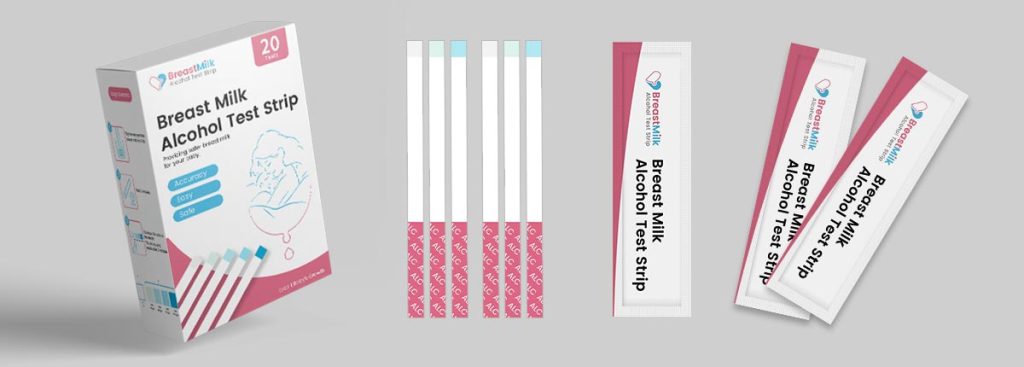
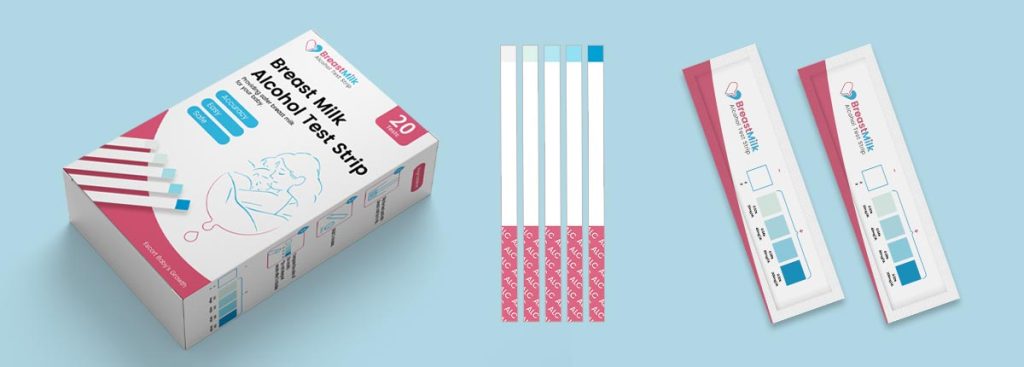
Breast milk alcohol test strip offers mothers a practical tool for checking alcohol levels before breastfeeding. These strips provide quick estimates and help mothers make informed decisions. Exploro breast milk alcohol test strips claim high accuracy using an enzymatic method similar to laboratory screening. While convenient, test strips do not provide precise measurements like laboratory methods.
The table below compares test strips and laboratory methods for detecting alcohol in breast milk:
| Method | Accuracy Level | Notes |
|---|---|---|
| Breast Milk Alcohol Test Strips | Estimates | Convenient for immediate checks, but not precise. |
| Laboratory Methods | Precise Measurements | Provide accurate and reliable results for alcohol levels in breast milk. |
Mothers can use breast milk alcohol test strips to check for alcohol before nursing. These strips help reduce uncertainty and support safe breastfeeding practices.
- Test strips offer immediate feedback.
- Laboratory methods provide more precise results.
- Exploro test strips claim 99.99% accuracy.
Callout: Breast milk alcohol test strips can help mothers feel confident about the safety of their milk after alcohol consumption.
Minimizing Risks
Planning Ahead
Breastfeeding mothers can minimize risks by planning their alcohol consumption carefully. Complete abstention remains the safest choice for protecting infants. If a mother chooses to drink, she should avoid breastfeeding while alcohol is present in her bloodstream and wait at least three to four hours after drinking before nursing. Moderate consumption, defined as up to one drink per day, is not known to harm infants if the mother waits at least two hours before breastfeeding. Higher levels of alcohol can impair judgment and may affect infant development. Mothers benefit from scheduling feedings before drinking and using breast milk alcohol test strips to check safety.
Tip: Planning ahead helps mothers enjoy social occasions while keeping their babies safe.
- Abstain from alcohol for maximum safety.
- Wait at least 3-4 hours after drinking before breastfeeding.
- Limit intake to one drink per day and delay nursing for at least 2 hours.
Alternatives to Alcohol
Many breastfeeding mothers seek enjoyable alternatives to alcohol. Non-alcoholic wines, herbal teas such as rooibos and chamomile, milk and dairy substitutes, and sparkling teas offer flavorful options without risk. These beverages provide hydration and allow mothers to participate in social events. Nonalcoholic beer is also considered safe. Moderate consumption of 0.0% beer may increase antioxidant capacity in breast milk and reduce oxidative stress for mothers. Choosing these alternatives supports both maternal health and infant safety.
| Beverage Option | Benefit |
|---|---|
| Nonalcoholic beer | Safe, may boost antioxidants |
| Herbal teas | Hydrating, calming |
| Sparkling teas | Flavorful, festive |
| Dairy alternatives | Nutritious, suitable for lactose intolerance |
Monitoring Baby
Careful observation of the baby helps detect any adverse effects from alcohol exposure. Parents should watch for signs such as drowsiness or lethargy, decreased milk intake, irritability, slow weight gain, decreased muscle tone, and poor coordination. These symptoms may indicate that the baby has been affected by alcohol in breast milk. Prompt attention to these signs allows parents to seek medical advice and adjust feeding practices as needed.
- Drowsiness or lethargy
- Decreased milk intake or feeding difficulties
- Irritability or fussiness
- Slow weight gain
- Decreased muscle tone
- Poor coordination or balance
Callout: Monitoring the baby’s behavior and growth ensures early detection of potential problems and supports healthy development.
Myths and Misconceptions
Pump and Dump
Many people believe that pumping and dumping after drinking alcohol will make it safe for the baby. However, scientific research shows that this method does not remove alcohol from breast milk. The body processes alcohol at the same rate in both blood and breast milk. Only time allows the alcohol level to decrease. Pumping and dumping does not speed up this process or make the milk safer for the infant.
- The body metabolizes alcohol from breast milk at the same rate as from the bloodstream.
- Pumping and dumping does not reduce the alcohol content in breast milk.
- Experts recommend waiting at least an hour after drinking before breastfeeding.
- The best practice is to allow enough time for the alcohol to clear from the system before nursing.
Note: Mothers should focus on timing rather than pumping and dumping to ensure their milk is safe for their babies.
Common Advice
Many myths about alcohol and breastfeeding continue to circulate. Some people claim that mothers cannot drink any alcohol while breastfeeding. Others believe that moderate drinking always harms the baby. Current research provides a more balanced view.
- One study found that 1-year-old infants of mothers who drank heavily scored lower in motor skill development, but not in mental development.
- A more recent study showed no link between alcohol consumption and motor skill development in 18-month-old toddlers.
- Observational studies cannot prove that alcohol alone causes negative health outcomes.
- Myth: You can’t drink alcohol if you’re breastfeeding.
- Fact: Mothers can have one drink, wait two hours, and then breastfeed safely.
- Regular, heavy drinking can lead to negative health effects for a nursing infant.
Current research shows that moderate alcohol use does not cause significant harm to most infants. The average drop in motor development scores for infants whose mothers drank less than one drink per day is small and unlikely to be clinically important.
| Recommendation | Description |
|---|---|
| Provide accurate information | Share facts about how alcohol affects lactation and infants. |
| Discuss parenting impacts | Talk about how alcohol use can affect parenting beyond breastfeeding. |
| Practice excellent communication | Use good listening skills and supportive body language with mothers. |
Tip: Accurate information and open conversations help mothers make informed choices about breastfeeding and alcohol.
Conclusion
Research shows that alcohol in breast milk can lead to fragmented sleep and reduced milk intake for infants. Studies also link frequent maternal alcohol use to lower motor development scores. Safe practices include limiting alcohol to one drink per day, waiting at least two hours before breastfeeding, and using breast milk alcohol test strips for added reassurance. The safest choice remains abstaining or drinking only occasionally. Mothers can find guidance from organizations like La Leche League International.
FAQ
Can Breastfeeding Mothers Drink Any Type of Alcohol?
Breastfeeding mothers may drink wine, beer, or spirits in moderation. The type does not change the risk. The amount of pure alcohol matters most. Experts recommend waiting at least two hours after one drink before nursing.
How Long Does Alcohol Stay in Breast Milk?
Alcohol peaks in breast milk about 30 to 60 minutes after drinking. The body usually clears one standard drink in two to three hours. Mothers should wait before breastfeeding to reduce exposure.
Do Breast Milk Alcohol Test Strips Guarantee Safety?
Test strips estimate alcohol levels in breast milk. They help mothers make informed choices. Strips do not provide exact measurements. Laboratory tests offer more precise results.
Tip: Use test strips for quick checks, but rely on timing and moderation for safety.
What Are Signs That a Baby Has Been Affected by Alcohol in Breast Milk?
Babies may show drowsiness, irritability, poor feeding, slow weight gain, or decreased muscle tone. Parents should monitor these signs and consult a healthcare provider if concerned.
Is Pumping and Dumping Effective for Removing Alcohol from Breast Milk?
Pumping and dumping does not remove alcohol from breast milk. Only time allows alcohol to leave the milk. Mothers should wait until alcohol clears before breastfeeding.