


Many parents feel concerned about how alcohol affects breast milk alcohol and their infants’ health. These questions are common, and finding accurate information helps families make safe choices. Some parents believe alcohol increases milk production, but studies show the opposite.
- Alcohol does not boost milk supply or help infants nurse better.
- Infants may nurse more often after a parent drinks, but they actually take in less milk.
| Source | Description |
|---|---|
| MotherToBaby | Provides fact sheets on alcohol during pregnancy and breastfeeding, offering evidence-based information for parents. |
| Lactation Training | Offers nonjudgmental, culturally matched advice about alcohol’s effects on breastfeeding. |
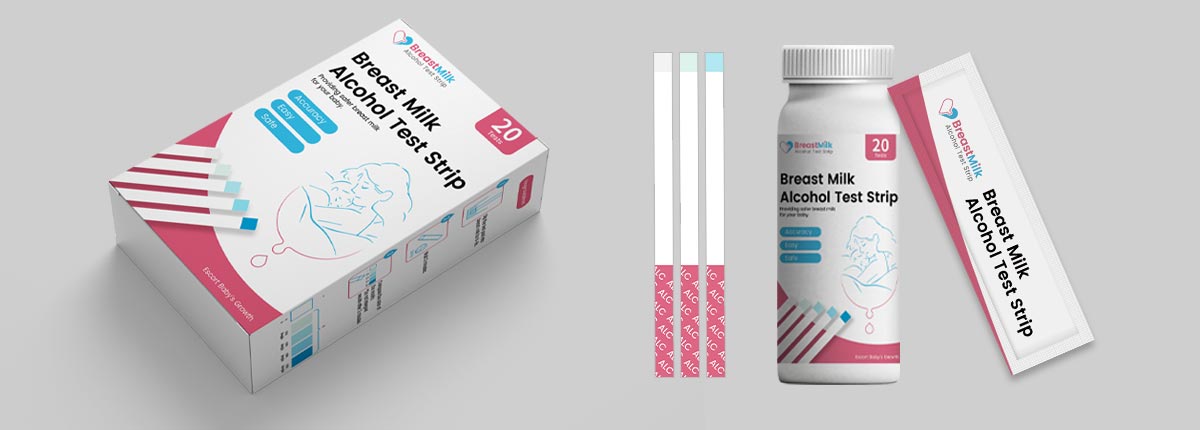
Globally, alcohol use among breastfeeding parents ranges from 35.9% to 83.0%. In India, the rate is 0.57%. Parents can use tools like a breast milk alcohol test strip to support safe feeding decisions.
Key Takeaways
- Alcohol does not increase milk supply. In fact, it can reduce the amount of milk produced, affecting infant growth.
- Timing is crucial. Wait at least 2 to 3 hours after drinking before breastfeeding to minimize alcohol exposure to the baby.
- Food intake matters. Eating before or while drinking slows alcohol absorption, helping to lower its concentration in breast milk.
- Use alcohol breast milk test strip for reassurance. They can help parents make informed decisions about breastfeeding after drinking.
- Moderation is key. Consuming alcohol in moderation and planning ahead can support safe breastfeeding practices.
Alcohol and Breast Milk Alcohol
How Alcohol Enters Breast Milk?
Alcohol moves from a parent’s bloodstream into breast milk through a process called diffusion. When a person drinks alcohol, it enters the blood and then passes into the milk-producing cells in the breast. The concentration of alcohol in breast milk closely matches the level found in the blood. This means that as blood alcohol levels rise or fall, the amount of alcohol in breast milk changes in a similar way.
- Alcohol levels in breast milk closely parallel maternal blood alcohol concentrations.
- The amount of alcohol an infant consumes from breast milk is estimated to be about 5% to 6% of the weight-adjusted maternal intake.
- Breast pumping before drinking can reduce alcohol bioavailability, while pumping after drinking may increase it. These effects become more noticeable when alcohol is consumed with food.
Pediatric studies show that infants exposed to alcohol in breast milk may face developmental risks. These risks include reduced body mass and lower verbal IQ scores. Animal research also suggests possible long-term effects on brain and behavior, such as cognitive deficits and abnormal stress responses.
Tip: The amount of alcohol in breast milk depends on how much and how often a parent drinks, as well as their metabolism and whether they have eaten food.
Timing and Peak Levels
Alcohol appears in breast milk soon after drinking. The timing of peak levels depends on several factors, including whether the parent has eaten. On an empty stomach, alcohol peaks in breast milk about 30 to 60 minutes after consumption. If the parent eats food while drinking, the peak may occur later, usually between 60 and 90 minutes.
| Source | Peak Timing |
|---|---|
| Aeroflow Breast Pumps | 30-60 minutes after consumption |
| Infant Risk | 30-60 minutes after drinking |
| MSU | 30-60 minutes on empty stomach, 60-90 minutes on full stomach |
- Alcohol in breast milk peak approximately 30-90 minutes after consumption.
- Food intake can delay the time it takes for alcohol to reach its highest level in breast milk.
The body gradually removes alcohol from both blood and breast milk over time. As the blood alcohol level drops, the amount of alcohol in breast milk also decreases. This process helps parents plan safer feeding times if they choose to drink.
Lifestyle Factors Affecting Breast Milk Alcohol
Amount and Frequency of Drinking
The amount and frequency of alcohol a person drinks play a major role in determining breast milk alcohol levels. When someone consumes alcohol, it quickly enters the bloodstream and then transfers into breast milk. The concentration of alcohol in breast milk mirrors the blood alcohol level. As the blood alcohol level drops, the amount in breast milk also decreases. Drinking larger amounts or drinking more often leads to higher and longer-lasting levels of alcohol in breast milk. The type of beverage also matters. For example, wine transfers alcohol into breast milk at rates that reflect blood alcohol levels. Table wines, fortified wines, and low-alcohol wines each have different alcohol content, which affects how long alcohol stays in breast milk. A standard glass of wine peaks in breast milk about 30 to 60 minutes after drinking, while higher-alcohol drinks require longer wait times.
Food Intake and Metabolism
Food intake and metabolism influence how much alcohol reaches breast milk. Eating before or while drinking slows the absorption of alcohol. Consuming alcohol with a meal delays ethanol absorption because food slows down how quickly the stomach empties. The presence of food also increases the rate at which the body eliminates alcohol. This happens because food boosts blood flow to the liver and activates enzymes that break down alcohol. Body weight also affects metabolism. Heavier people process alcohol faster than lighter people, which can lower the concentration of alcohol in breast milk more quickly.
| Body Weight | Alcohol Metabolism Rate |
|---|---|
| Heavier | Faster |
| Lighter | Slower |
Age, Education and Drinking Habits
Age, education, and previous drinking habits shape choices about breastfeeding and alcohol. Older parents are more likely to consume alcohol while breastfeeding. Those with higher education levels have a greater chance of drinking during breastfeeding. For every year increase in age, the likelihood of drinking rises. Parents who drank alcohol during pregnancy often continue after childbirth. Even among those who did not drink during pregnancy, many resume alcohol consumption while breastfeeding. Some return to their pre-pregnancy drinking patterns.
Note: Understanding these lifestyle factors helps parents make informed decisions about breastfeeding and alcohol.
Alcohol’s Impact on Milk Production
Decreased Milk Supply
Alcohol can reduce the amount of milk a parent produces during breastfeeding. Studies show that infants consume about 20% less milk after their mothers drink alcohol. This reduction happens because alcohol interferes with the hormonal processes needed for milk production. The quality of breast milk remains the same, but the quantity drops. Many parents do not notice this change and may believe their infants are getting enough milk. However, the actual intake decreases, which can affect infant growth over time.
- Infants drink less milk after parental alcohol consumption.
- Alcohol disrupts hormones that support milk production.
- Parents may not realize the decrease in milk intake.
Delayed Milk Flow and Oxytocin
Alcohol affects the release of oxytocin, a hormone that triggers the milk ejection reflex, also called “let-down.” When a parent consumes alcohol, oxytocin levels drop during breast stimulation. This leads to a delay in milk flow and a lower amount of milk available during feeding or pumping. The following table summarizes these effects:
| Evidence Type | Description |
|---|---|
| Oxytocin Levels | Alcohol consumption led to a significant decrease in oxytocin levels during breast stimulation. |
| Milk Yield | Women produced, on average, 13% less milk after drinking alcohol compared to control days. |
| Prolactin Response | Prolactin increased after alcohol, but this did not improve milk production. |
Alcohol can also delay the milk ejection reflex. Higher ethanol levels in the body suppress oxytocin, making it harder for milk to flow. Infants may need to nurse more often to stimulate milk release.
Common Misconceptions
Many people believe that alcohol increases milk supply or helps infants sleep better. Research does not support these ideas. Alcohol does not boost milk production. Instead, it reduces the amount of milk available and delays the milk ejection reflex. Parents who want to know how long alcohol stays in their system should remember that the effects on milk production and flow can last for several hours. Understanding the real impact of breastfeeding and alcohol helps families make safer choices for their infants.
Safe Breastfeeding Practices
Timing Breastfeeding After Drinking
Breastfeeding moms often wonder how long alcohol stays in their system and when it is safe to nurse. Health organizations recommend waiting at least two hours per standard drink before breastfeeding. This timing allows the body to process and remove most of the alcohol from the bloodstream and breast milk. Planning ahead helps reduce infant exposure. Expressing milk before drinking gives parents a safe option for feeding if they choose to consume alcohol. Mixed feeding with formula can also provide flexibility during social events.
Tip: Avoid breastfeeding for two to three hours after drinking to minimize risk to the baby.
Using Breast Milk Alcohol Test Strip
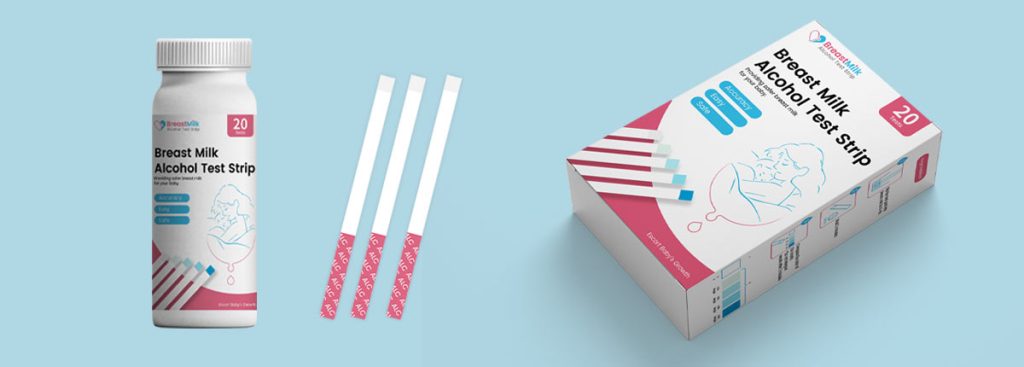
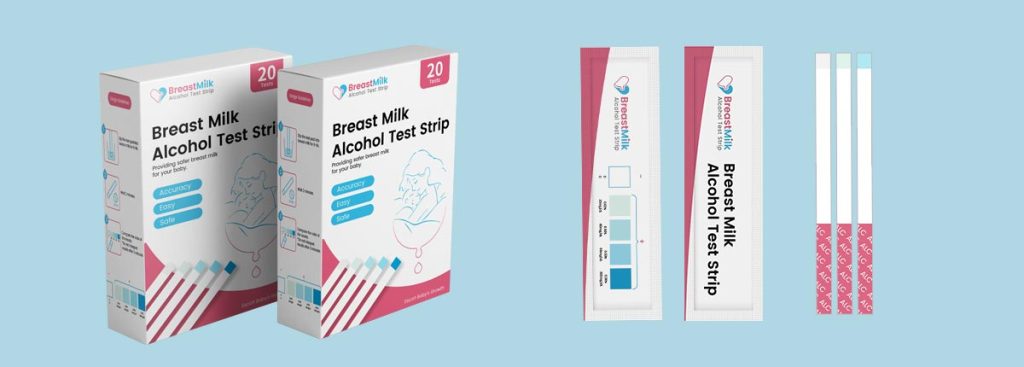
A breast milk alcohol test strip offers a practical tool for parents who want extra reassurance. These strips estimate alcohol levels in breast milk, helping breastfeeding moms make informed decisions. While laboratory methods provide precise results, test strips serve as a useful guide for home use. Some brands, such as Exploro, claim high accuracy using enzymatic methods similar to lab screening. They can detect small traces of alcohol, which supports safer feeding choices.
| Method | Accuracy Level | Notes |
|---|---|---|
| Breast Milk Alcohol Test Strips | Estimates, not precise | Effectiveness varies by product quality and usage; best used as a guide. |
| Laboratory Methods | High precision | Provide definitive measurements, considered the gold standard for alcohol detection. |
Practical Recommendations
Parents can follow several steps to lower infant risk when combining breastfeeding and alcohol:
- Consume alcohol in moderation.
- Time drinking to allow alcohol to clear before nursing.
- Express milk before drinking for later use.
- Use formula if mixed feeding during social occasions.
- Discard pumped milk after drinking to ensure safety.
Major health organizations advise that up to one standard drink per day is not believed to harm the baby. Breastfeeding or pumping before drinking helps keep breast milk alcohol levels low. Using expressed milk or a breast milk alcohol test strip can add confidence for parents who want to make safe choices.
Conclusion
Parents can manage alcohol intake and breastfeeding safely by following clear guidelines. The table below shows recommended wait times after drinking:
| Alcohol Consumption | Time to Wait Before Breastfeeding |
|---|---|
| 1 drink | 2 to 3 hours |
| 2 drinks | 4 to 5 hours |
| 3 drinks | 6 to 8 hours |
Understanding lifestyle factors, such as body weight and food intake, helps protect infants. Breast milk alcohol test strips may offer reassurance, but parents should not rely on them alone. Making informed choices supports both parent and child health.
FAQ
How Long Does Alcohol Stay in Breast Milk?
Alcohol usually stays in breast milk for about 2 to 3 hours per standard drink. The exact time depends on body weight, metabolism, and food intake.
Tip: Waiting longer after drinking lowers the alcohol level in breast milk.
Can Pumping And Dumping Remove Alcohol from Breast Milk?
Pumping and dumping does not speed up alcohol removal. The body naturally clears alcohol over time.
- Only time reduces alcohol in breast milk.
- Pumped milk still contains alcohol if the body has not processed it.
Is It Safe to Drink Alcohol While Breastfeeding?
Moderate drinking, such as one standard drink, is generally considered safe. Health experts recommend waiting at least 2 hours before breastfeeding.
| Standard Drink | Wait Time |
|---|---|
| 1 | 2-3 hours |
Do Breast Milk Alcohol Test Strips Give Accurate Results?
Test strips estimate alcohol levels in breast milk. They offer guidance but do not replace laboratory testing.
Note: Use test strips as a helpful tool, not as a guarantee of safety.
Does Alcohol Affect the Taste of Breast Milk?
Alcohol can change the taste and smell of breast milk. Some infants may refuse to nurse after a parent drinks alcohol.
- Babies may notice the difference.
- Refusal to nurse can happen after alcohol consumption.