


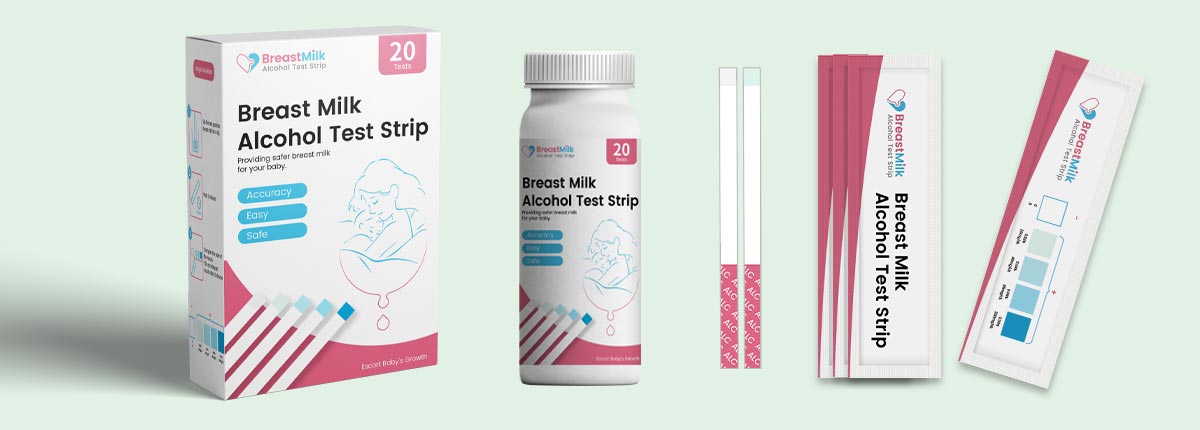
Alcohol concentration in breast milk closely mirrors the blood alcohol level. As alcohol moves quickly from the blood into the breast, the alcohol concentration in the breast rises and falls along with the blood. A table shows this relationship:
| Blood Alcohol Level | Breast Milk Alcohol Level |
|---|---|
| 0.01% | 0.01% |
| 0.05% | 0.05% |
When breastfeeding mothers know their blood alcohol level, they can estimate the alcohol concentration in the breast. Practical steps, such as timing feeds and using a breast milk alcohol test strip, help minimize infant exposure to alcohol from the breast.
Key Takeaways
- Alcohol in breast milk matches blood alcohol levels. This means if a mother drinks, the alcohol in her milk will be similar to what is in her blood.
- To minimize infant exposure, wait at least 2 hours after consuming one drink before breastfeeding. For more than one drink, wait longer to ensure safety.
- Using breast milk alcohol test strip can help parents check for alcohol in milk before feeding. These strips provide quick results and peace of mind.
- Eating food before drinking can slow alcohol absorption, reducing its concentration in breast milk. This helps protect the baby.
- Consult healthcare professionals for personalized advice on alcohol consumption while breastfeeding. They can provide guidance based on individual circumstances.
Alcohol Concentration in Breast Milk
Blood vs. Breast Milk Levels
Alcohol concentration in breast milk closely matches the levels found in blood. When a person drinks, alcohol enters the bloodstream and then diffuses into the breast. Studies show that the amount of alcohol in breast milk rises and falls in direct relation to blood alcohol level. The peak concentration in both blood and breast milk usually occurs within 30 to 60 minutes after alcohol consumption. As blood alcohol levels decrease, the alcohol content in breast milk also drops.
Note: The amount of alcohol transferred to breast milk is generally less than 2% of the total alcohol consumed.
The following table shows how alcohol levels change over time:
| Time After Consumption | Blood Alcohol Level | Breast Milk Alcohol Level |
|---|---|---|
| 30-90 minutes | Peaks at 0.3% | Similar to blood levels |
| After consumption | Decreases as blood levels fall | Decreases correspondingly |
Researchers have found that alcohol does not remain stored in breast milk. As the blood alcohol level falls, the breast milk alcohol concentration also declines. This direct relationship helps parents estimate the amount of alcohol present in breast milk at any given time.
How Alcohol Transfers?
Alcohol moves from blood into breast milk through a process called diffusion. When alcohol enters the bloodstream, it passes into the breast tissue and then into the milk. The concentration in breast milk mirrors the blood alcohol level, rising and falling together. Studies involving lactating women show that alcohol consumption increases the odor intensity of breast milk, with peak levels occurring 30 minutes to 1 hour after drinking. Ethanol concentration in breast milk can range from 0 to 6.9 mmol/L, depending on the amount consumed.
- Alcohol in breast milk peaks 30–60 minutes after drinking.
- Alcohol will be present in breast milk 30 to 60 minutes after drinking begins.
- Alcohol levels in breast milk peak about 30 to 60 minutes after drinking.
Several factors influence how quickly and how much alcohol transfers from blood to breast milk. The timing of alcohol consumption, the amount consumed, and individual metabolism all play a role. Food intake and body weight also affect absorption and elimination rates. Studies have observed that infants may show increased sucking frequency but consume less breast milk after alcohol ingestion, although the reasons for reduced intake are not fully understood.
Alcohol diffuses from the bloodstream into breast milk, so the concentration in breast milk always reflects the blood alcohol level. As the blood alcohol level decreases, the alcohol content in breast milk also diminishes. This pattern allows parents to predict when breast milk will be free of alcohol and helps them make informed decisions about feeding their infants.
How Much Alcohol Gets into Breast Milk?
Factors That Influence Levels
Many variables affect how much alcohol passes into breastmilk. The amount of alcohol consumed, body weight, food intake, and frequency of breastfeeding all play important roles.
- Body weight influences the concentration of alcohol in breast milk. Health guidelines suggest limiting alcohol intake to 0.5 grams per kilogram of body weight.
- Eating food before or while drinking slows the absorption of alcohol. This can lower the milk alcohol level and delay its peak.
- The timing of breastfeeding after drinking also matters. Nursing two hours or more after alcohol consumption helps reduce the amount of alcohol in breast milk.
- Studies show that lactating women may metabolize alcohol faster than non-lactating women.
These factors help explain how much alcohol gets into breast milk and why the amount can vary from person to person.
Timing and Metabolism
The timing of alcohol consumption in relation to breastfeeding has a direct impact on how much alcohol passes into breastmilk.
When a person drinks alcohol, a small amount passes into breastmilk. The milk alcohol level reaches its highest point about 30 to 60 minutes after drinking. As long as alcohol remains in the blood, it will also be present in breast milk. The level drops about two hours after one standard drink.
The body metabolizes alcohol at a rate of about one ounce every three hours. The concentration in breast milk closely matches the level in the blood. If the blood alcohol level is 0.08%, the milk alcohol level will be similar. Infants process alcohol at about half the rate of adults, especially during the first three months of life. This slower metabolism means that even small amounts of alcohol can stay in an infant’s system longer.
To minimize exposure, experts recommend breastfeeding or pumping just before drinking. This creates a buffer before the next feeding. Waiting at least two hours per drink before nursing again allows time for alcohol to leave the system. The more alcohol consumed, the longer it takes to clear from both blood and breast milk.
Using Breast Milk Alcohol Test Strip
Many parents want reassurance about how much alcohol passes into breastmilk. An alcohol breast milk test strip offers a practical way to check for alcohol in milk before feeding.
- Manufacturers claim these test strips can detect alcohol with up to 99.9% accuracy.
- Laboratory testing provides higher precision, but test strips offer quick results at home.
- For best results, wait a few hours after drinking before breastfeeding alcohol test. This increases the chance that alcohol has cleared from both blood and breast milk.
- Only pump and dump if needed for comfort or to maintain milk supply. Otherwise, allow time for alcohol to leave the system naturally.
- Breastfeeding just before drinking can help create a safe window before the next feed.
- Limit alcohol intake to one drink per day or less. Avoid binge drinking to protect infant health.
- Consult a lactation consultant for personalized advice about alcohol consumption and breastfeeding.
A breast milk alcohol test strip can give peace of mind to parents who want to ensure their milk is safe for their baby. Following these guidelines helps reduce the risk of exposing infants to alcohol through breast milk.
How Long Alcohol Stays in Breast Milk?
Clearance Timeline
Alcohol enters breast milk soon after alcohol consumption. Researchers have found that peak alcohol levels in breast milk occur about 30 to 60 minutes after drinking. The concentration in breast milk matches the level in the bloodstream. The body begins to metabolize alcohol immediately, and the amount in breast milk drops as blood alcohol levels decrease. Most women metabolize one unit of alcohol in about two hours. Alcohol can be detected in breast milk for approximately two to three hours after moderate drinking.
Tip: The duration may vary based on individual metabolism, body weight, and whether food was consumed with alcohol.
- Alcohol levels peak in breast milk 30-60 minutes after drinking.
- Alcohol remains detectable for about 2-3 hours after alcohol consumption.
Feeding and Waiting Periods
Timing plays a key role in minimizing infant exposure to alcohol. Experts recommend waiting before breastfeeding after drinking. The recommended waiting period depends on the amount of alcohol consumed. The following table shows how long a mother should wait before nursing:
| Amount of Alcohol Consumed | Recommended Waiting Period Before Breastfeeding |
|---|---|
| One drink | At least 2 hours |
| More than one drink | Approximately 2 to 3 hours for each drink |
If a mother consumes one drink, she should wait at least two hours before breastfeeding. For two or more drinks, waiting longer helps reduce the risk of passing alcohol to the baby. The breast will contain less alcohol as time passes and the body metabolizes it. Planning feeding times and using breast milk alcohol test strips can help ensure safety.
Note: Breastfeeding just before drinking can create a safe window before the next feed.
Parents can protect their infants by understanding how long alcohol stays in breast milk and by following recommended waiting periods after alcohol consumption.
Minimizing Infant Exposure
Safe Drinking Guidelines
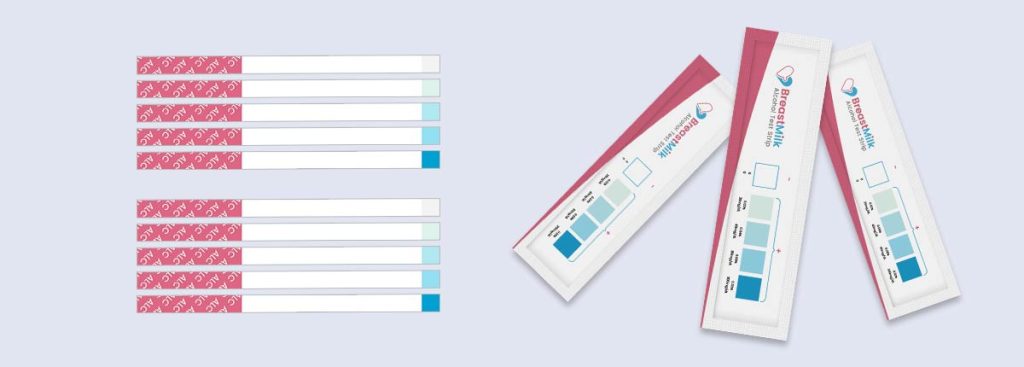
Nursing mothers can take several steps to protect their infants from alcohol exposure. Health organizations, such as the American Academy of Pediatrics (AAP), provide clear recommendations. The following table summarizes these guidelines:
| Guideline | Description |
|---|---|
| Avoid Alcohol | The AAP recommends avoiding drinking alcohol while breastfeeding. |
| Timing | Breastfeeding or pumping is acceptable 2 hours after the last drink. |
| Moderation | Occasional small amounts are permissible, but regular or heavy drinking should be avoided. |
Many nursing mothers plan their alcohol consumption around feeding times. They often delay nursing until alcohol clears from their breast milk or pump and store milk before consuming alcohol. These strategies help reduce the risk of infant exposure. Cultural and socioeconomic factors can influence how closely mothers follow these recommendations. Women from higher socioeconomic backgrounds tend to adhere more strictly to safety guidelines.
Practical tips for drinking after breastfeeding include pumping milk before consuming alcohol and storing it for later use. This approach ensures the baby receives safe milk even if the mother chooses to drink.
Waiting Before Nursing
Timing plays a crucial role in minimizing alcohol exposure for infants. Experts generally recommend that nursing mothers wait at least 2 hours after consuming alcohol before breastfeeding. This waiting period allows the body to metabolize the alcohol and reduces its presence in breast milk. For each additional standard drink, mothers should add another 2 to 3 hours before nursing.
- Wait 2 hours for each standard drink consumed.
- Individual factors, such as body weight and the number of drinks, can affect this timing.
If you accidentally breastfed too soon after drinking, most experts advise monitoring the baby for any unusual signs and contacting a healthcare provider if needed. There is no need to express milk to clear it of alcohol, as the alcohol content in breast milk decreases naturally as blood alcohol levels fall. Nursing mothers should always prioritize safety and plan ahead when possible.
How Alcohol Affects Your Nursing Baby?
Potential Risks
Alcohol consumption during lactation can lead to negative effects on nursing babies. When alcohol passes from the blood into breast milk, it exposes infants to risks that may impact their development. Researchers have documented several areas where alcohol exposure can disrupt normal growth and function. The following table summarizes key findings:
| Aspect Of Development | Findings |
|---|---|
| Neurodevelopment | Disruption due to prenatal alcohol exposure (PAE) |
| Sensory Processing | Altered sensory processing patterns observed |
| Emotional Functioning | Impact on emotional and behavioral functioning noted |
Nursing babies may experience changes in neurodevelopment, which can affect learning and memory. Altered sensory processing may lead to difficulties in responding to stimuli. Emotional and behavioral functioning can also show signs of disturbance. These risks highlight why experts recommend caution with alcohol consumption while breastfeeding babies.
Signs of Exposure
Clinical studies have identified several signs that may indicate how alcohol affects your nursing baby. Parents and caregivers should watch for these symptoms after feeding from the breast when alcohol has been consumed:
- Sleep disturbances
- Increased crying
- Increased startling
- Increased arousal
- Increased REM sleep in the period from 3.5 hours to 24 hours after exposure to alcohol
- Decreased milk intake by baby
- Growth retardation
- Impaired immune function
- Delay of motor development
- Potential impairment of cognitive development
- Reduction in ability for abstract reasoning at school age (6-7 years)
Nursing babies who show these signs may need medical attention. Sleep disturbances and increased crying often appear soon after exposure. Growth retardation and delays in motor development can occur with repeated exposure. Impaired immune function may make infants more susceptible to illness. Parents should monitor their children closely and consult healthcare professionals if they notice any unusual symptoms.
Tip: Early recognition of these signs helps reduce the risk of long-term negative effects from alcohol exposure.
Is It Safe to Have a Drink While Breastfeeding?
Evidence-Based Recommendations
Health organizations provide clear guidance about consuming alcohol while breastfeeding. Experts agree that avoiding alcohol is the safest choice for nursing mothers. Alcohol can affect milk production and may influence infant development. However, occasional drinking is generally considered safe if mothers follow specific recommendations.
- Avoid alcohol while breastfeeding to protect milk supply and infant health.
- If a mother chooses to drink, she should wait at least four hours before nursing after a single drink, especially if the baby is older than three months.
- Occasional drinking leads to very low levels of alcohol in breast milk. For example, a blood alcohol level of 0.05% results in the same concentration in breast milk, which is minimal compared to most beverages.
A table summarizes these recommendations:
| Recommendation | Details |
|---|---|
| Avoid alcohol | Best for milk production and infant safety |
| Wait 4 hours after 1 drink | Especially important for babies older than 3 months |
| Occasional drinking | Results in minimal alcohol in breast milk |
Breastfeeding and drinking alcohol requires careful planning. Mothers can breastfeed or pump before consuming alcohol while breastfeeding. This strategy helps reduce the risk of passing alcohol to the breast and to the baby.
Tip: Drinking water and eating food before alcohol consumption may help slow absorption and lower alcohol levels in breast milk.
When to Seek Advice?
Some mothers may have concerns about is it safe to have a drink while breastfeeding. They should seek advice from healthcare professionals if they feel unsure. Lactation consultants and pediatricians can provide personalized recommendations based on individual circumstances.
- Consult a healthcare provider if the baby was exposed to alcohol and shows unusual symptoms.
- Seek advice if consuming alcohol while breastfeeding becomes frequent or if there are questions about timing and safety.
- Ask for guidance if the baby is younger than three months or has health concerns.
Healthcare professionals can help mothers make informed decisions about breast milk safety. They can answer questions about timing, alcohol clearance, and infant health. Mothers who follow expert advice can minimize risks and feel confident about their choices.
Myths About Alcohol and Breastfeeding
Pumping and Dumping
Many parents believe they should pump and dump after drinking alcohol to make their milk safe for their baby. This idea remains common, but research shows it is a myth. The alcohol content in breast milk matches the level in the bloodstream. Pumping and dumping does not speed up the removal of alcohol from milk. The body clears alcohol from both blood and milk at the same rate.
- The amount of alcohol that enters breast milk is small.
- Pumping and dumping may help relieve breast discomfort or maintain milk supply, but it does not remove alcohol.
- If a mother is legally safe to drive, her milk is likely safe for her infant.
- Pump and dump after drinking alcohol is only necessary for comfort, not for removing alcohol.
Long-term exposure to moderate or heavy alcohol in breast milk can harm a baby’s growth and development. However, pump and dump after drinking alcohol does not reduce the alcohol content in milk. The safest approach is to wait until the body has metabolized the alcohol before breastfeeding again.
Other Common Misconceptions
Several myths about alcohol and breastfeeding continue to circulate. Many parents think that pump and dump after drinking alcohol will make milk safe, but this is not true. The following table highlights some common misconceptions and the facts that research supports:
| Misconception | Fact |
|---|---|
| Pumping and dumping removes alcohol from milk | Alcohol leaves milk as it leaves the bloodstream; pumping does not help. |
| Expressed milk is alcohol-free if pumped later | Expressed milk still contains alcohol if pumped soon after drinking. |
| Drinking beer increases milk production | Alcohol may actually reduce milk production by lowering oxytocin. |
| Alcohol helps mothers relax and boosts milk supply | Alcohol does not increase milk production and may reduce it. |
| Babies drink more milk when mothers drink alcohol | Babies may suck more often, but they do not consume more milk. |
Moderate alcohol use is not shown to harm infants, but heavy drinking can affect growth, motor skills, and cognitive development. The best way to protect a baby is to limit alcohol intake and follow safe feeding guidelines.
Conclusion
Scientific research shows that alcohol concentration in breast milk rises and falls with the blood. Moderate drinking, such as one drink per day, leads to minimal alcohol transfer to the infant. To reduce risk, parents can wait two to three hours after drinking before breastfeeding, or express milk in advance. Using a breast milk alcohol test strip provides extra reassurance. With careful planning, parents can safely manage occasional alcohol use while supporting their baby’s health.
FAQ
How Accurate Are Breast Milk Alcohol Test Strips?
Breast milk alcohol test strips provide quick results at home. They detect alcohol with high accuracy, but laboratory tests offer greater precision. Parents can use these strips for reassurance before feeding their baby.
Can Alcohol Stay in Frozen Breast Milk?
Alcohol does not leave breast milk during freezing or storage. If milk contains alcohol when pumped, it will still have alcohol after thawing. Only time allows alcohol to leave breast milk.
Does Pumping and Dumping Remove Alcohol from Milk?
Pumping and dumping does not speed up alcohol removal from breast milk. Alcohol leaves milk as it leaves the bloodstream. Pumping may help relieve discomfort or maintain supply, but it does not make milk alcohol-free.
Is Occasional Drinking Safe While Breastfeeding?
Occasional drinking is generally safe if parents follow guidelines. Waiting at least two hours per drink before nursing helps reduce infant exposure. Experts recommend limiting alcohol to one drink per day or less.
What Should Parents Do If the Baby Shows Signs of Alcohol Exposure?
Parents should monitor the baby for unusual symptoms, such as sleep changes or increased crying. If signs appear, they should contact a healthcare provider for advice. Early action helps protect the baby’s health.