


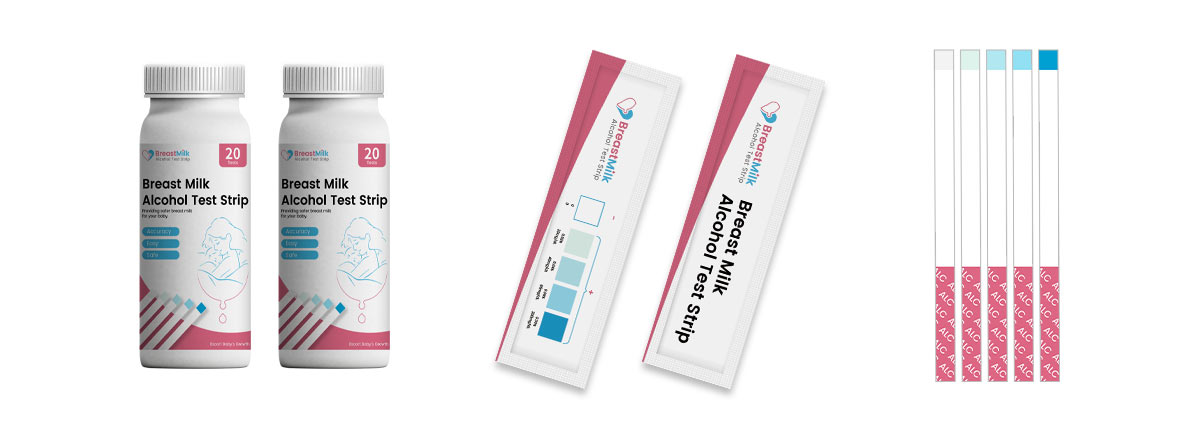
Should someone test breast milk for alcohol right after drinking or wait? Many parents feel unsure about this decision. Concerns about alcohol in breast milk appear common among breastfeeding families.
- About 71% of breastfeeding mothers reported consuming alcohol during the breastfeeding period.
Alcohol levels in breast milk do not stay the same. They rise and fall over time, as shown below:
| Time After Drinking | Alcohol Level in Breast Milk |
|---|---|
| 30-90 minutes | Peak levels reached |
| 2-3 hours | Recommended wait to reduce exposure |
Understanding how timing affects safety helps parents make informed choices. This blog offers clear guidance on when and how to test breast milk for alcohol.
Key Takeaways
- Wait at least 2 hours after consuming one standard drink before breastfeeding to ensure alcohol levels in breast milk are lower.
- Testing breast milk immediately after drinking can lead to false positives; alcohol peaks in breast milk 30 to 60 minutes after consumption.
- Consider individual factors like body weight and food intake, as they affect how quickly alcohol clears from breast milk.
- Using breast milk alcohol test strips can provide reassurance, but they are not necessary if you follow recommended waiting times.
- Pump and dump is rarely needed; alcohol leaves breast milk as it clears from the bloodstream, so waiting is usually sufficient.
Wait or Test Breast Milk for Alcohol?
Why Immediate Testing Isn’t Best?
Many parents wonder if they should test breast milk for alcohol right after drinking. Immediate testing may seem like a quick way to check for safety, but it often leads to misleading results. Alcohol levels in breast milk do not reach their highest point immediately after drinking. Instead, they peak about 30 to 60 minutes after alcohol consumption. Testing right away can produce a false positive, showing alcohol in the milk before it has reached its maximum concentration. This can cause unnecessary worry about infant exposure.
Testing breast milk for alcohol immediately after drinking also fails to account for how long alcohol remains in the body. Alcohol can stay in a mother’s system for up to 12 hours, while it may linger in a baby’s system for as long as 72 hours. The timing of the test matters because alcohol levels in breast milk continue to rise for 30 to 90 minutes after drinking. Individual factors such as body weight, the type of alcohol consumed, and whether the mother ate food can all affect the results. The table below highlights these factors:
| Factor | Description |
|---|---|
| Alcohol Metabolism | Alcohol can remain in a mother’s system for 12 hours, but in a baby’s system, up to 72 hours. |
| Timing of Test | Alcohol levels in breast milk rise for 30 to 90 minutes after drinking, affecting test accuracy. |
| Individual Variability | Body weight, type of alcohol, and food intake change how much alcohol enters breast milk. |
Tip: Waiting before you test breast milk for alcohol gives a more accurate picture of alcohol levels and reduces the risk of unnecessary concern.
When Alcohol Peaks in Breast Milk?
Alcohol does not enter breast milk all at once. The concentration changes over time, depending on several factors. Research shows that alcohol peaks in breast milk about 30 to 60 minutes after drinking if the mother has not eaten. If she drinks with food, the peak occurs a bit later, around 60 to 90 minutes. The following table summarizes these findings:
| Time After Consumption | Condition |
|---|---|
| 30 to 60 minutes | Alcohol consumed alone |
| 60 to 90 minutes | Alcohol consumed with food |
Medical guidelines recommend waiting at least two hours after consuming one standard drink before breastfeeding or pumping. For each additional drink, mothers should add another two hours to the waiting period. This approach helps ensure that alcohol levels in breast milk have dropped to safer levels before feeding the baby.
- Wait at least 2 hours after consuming one standard drink before pumping or breastfeeding.
- For each additional drink, add another 2 hours to the waiting period.
The amount of alcohol in breast milk decreases over time. For one drink, alcohol usually becomes undetectable after 2 to 3 hours. Two drinks may take 4 to 5 hours, and three drinks can require 6 to 8 hours. The table below provides a quick reference:
| Amount of Alcohol | Detection Time in Breast Milk |
|---|---|
| 1 drink | 2 to 3 hours |
| 2 drinks | 4 to 5 hours |
| 3 drinks | 6 to 8 hours |
Mothers who test breast milk for alcohol after waiting the recommended time can feel more confident about the safety of their milk. Studies show that infants drink about 20% less breast milk in the hours right after their mothers consume alcohol. This decrease does not result from fewer feedings, but from a slight drop in milk production. Infants can make up for this reduction by feeding more often once the alcohol has cleared from the milk.
Choosing to wait before you test breast milk for alcohol is safer and more accurate than testing immediately. This approach protects infants from unnecessary exposure and gives parents peace of mind.
How Alcohol Moves Through Breast Milk?
Alcohol Absorption Timeline
Alcohol enters breast milk through the mother’s bloodstream. As the mother drinks, alcohol absorbs into her blood and then passes into her milk. The concentration of alcohol in breast milk closely matches the level found in her blood. This means that as her blood alcohol level rises, so does the alcohol content in her milk. Alcohol typically peaks in both blood and milk about 30 to 60 minutes after drinking. If the mother eats food with her drink, the peak may occur a bit later.
Health experts recommend waiting at least two to three hours after consuming a standard alcoholic beverage before breastfeeding or pumping. This waiting period allows the body to metabolize the alcohol, reducing the risk to the baby. The amount of alcohol in breast milk drops as the mother’s blood alcohol level declines. Alcohol is not trapped in the milk; it leaves as the mother’s body processes and eliminates it.
Note: The amount of alcohol a breastfed infant receives is only a small fraction of what the mother consumes. However, even small amounts can affect the baby’s behavior or feeding patterns.
Factors Affecting Alcohol Levels
Several factors influence how quickly alcohol clears from breast milk. These include body weight, age, food intake, hydration, and the amount and type of alcohol consumed. The following table summarizes key factors:
| Factor | Description |
|---|---|
| Body Weight | Heavier individuals may metabolize alcohol faster than lighter individuals. |
| Age | Younger people tend to metabolize alcohol more quickly than older adults. |
| Food Intake | Eating before or while drinking can slow the absorption of alcohol. |
| Hydration | Staying hydrated can help the body metabolize alcohol more efficiently. |
Drinking on an empty stomach leads to higher blood alcohol levels, which means higher alcohol in breast milk. The type of alcohol also matters, as different beverages contain varying amounts of alcohol. Mothers should consider these factors when deciding when to breastfeed after drinking.
Research shows that alcohol in breast milk can change its odor, which may affect how the baby feeds. After moderate drinking, mothers can return to breastfeeding when they feel alert and normal, but using a time calculator can help estimate when alcohol has cleared from the milk.
Drinking Alcohol While Breastfeeding: Safety Tips
How Long to Wait Before Nursing?
Timing plays a key role in reducing risks when drinking alcohol while breastfeeding. Health experts recommend waiting before nursing to allow the body to process alcohol. The following guidelines help parents decide when to breastfeed safely:
- Wait at least 2 hours after having a standard drink before breastfeeding.
- For each additional drink, add another 2 hours before nursing or pumping milk.
- Alcohol levels in breast milk peak about 30 to 60 minutes after drinking on an empty stomach, and 60 to 90 minutes after drinking with food.
| Recommendation | Details |
|---|---|
| Wait time per drink | Wait at least 2 hours after each drink before breastfeeding. |
| Peak alcohol in milk | Peaks 30-60 min after drinking (empty stomach), 60-90 min (with food). |
| Moderate use | One drink per day, with a 2-hour wait, is not linked to problems for infants. |
| Safest option | Not drinking alcohol while breastfeeding is safest. |
Parents who follow these recommendations can lower the chance of exposing their babies to alcohol. Drinking alcohol while breastfeeding does not cause alcohol to accumulate in breast milk. The body removes alcohol over time, so waiting helps ensure milk is safer for the baby.
Signs It’s Safe to Breastfeed Again
Parents often wonder how to know when it is safe to resume breastfeeding after drinking alcohol while breastfeeding. Several signs can help guide this decision:
- The parent feels alert and neurologically normal.
- Enough time has passed since the last drink, based on the number of drinks consumed.
- Eating a solid meal can help the body metabolize alcohol faster.
- The baby’s feeding schedule allows for extra time between sessions.
Tip: Drinking alcohol while breastfeeding in moderation and waiting the recommended time helps protect the baby’s health.
A small amount of alcohol enters breast milk, but it does not stay there. Most experts agree that parents can breastfeed again when they feel back to normal. Using these signs and timing guidelines supports both the baby’s well-being and the parent’s peace of mind.
How to Use a Breast Milk Alcohol Test Strip?
How Does Test Strip Work?
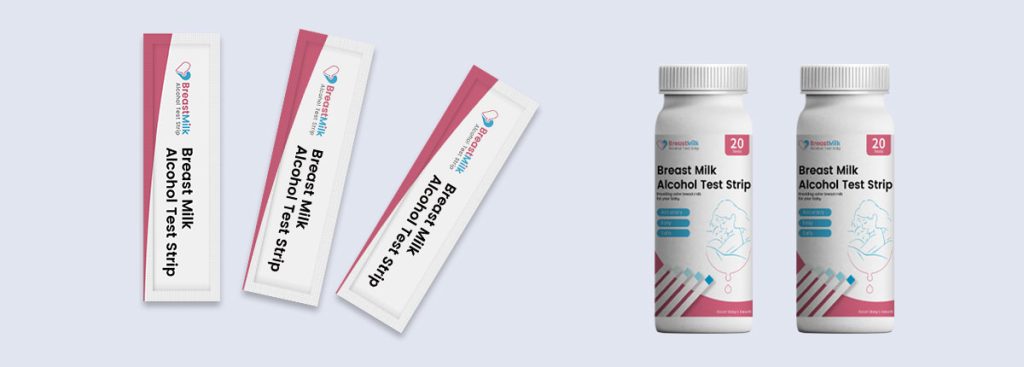
Breast milk alcohol test strip offers a simple way to check for alcohol in breast milk. Many parents use these strips for peace of mind, especially if they feel unsure about timing. To use a alcohol breast milk test strip, a person adds a few drops of breast milk to the strip and waits two minutes for results. The strip reacts to alcohol by changing color, which helps confirm whether the milk is safe for feeding.
| Result Type | Description |
|---|---|
| Positive | Color change indicates the presence of alcohol in breast milk, with intensity ranging from light blue (0.02%) to dark blue (0.30%). |
| Negative | No color change indicates that alcohol has not been detected. |
The process involves saturating the breast milk alcohol test strip with breast milk and observing the color change after two minutes. A color change signals alcohol presence at or above 13.1 mg/dL.
When to Use a Test Strip?
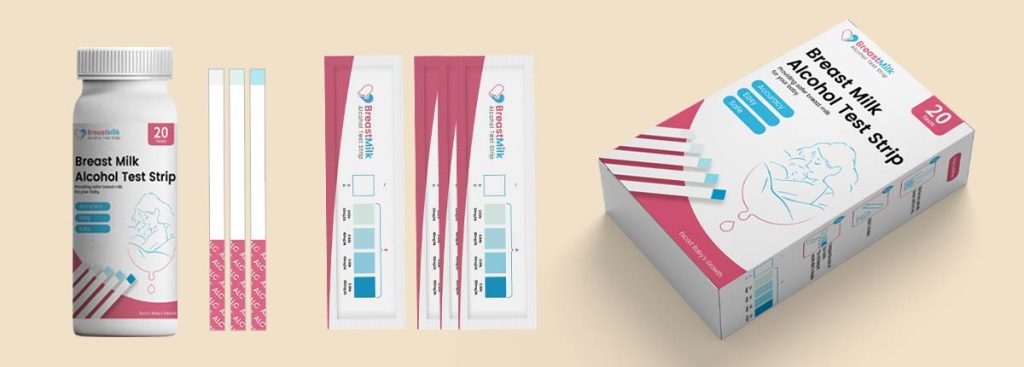
Test strips are optional for parents who follow recommended waiting times after drinking. They may provide reassurance for those who want extra confirmation before nursing. Experts suggest that mothers who drink in moderation and allow enough time for alcohol to clear may not need to use a breast milk alcohol test strip. The strips can be helpful if a parent feels uncertain about timing or wants to double-check before feeding.
- Use a test strip if unsure about alcohol clearance.
- Wait at least two hours per drink before breastfeeding.
- If alcohol is detected, use previously pumped milk until the test shows no alcohol.
Are Test Strips Reliable?
Reliability of breast milk alcohol test strips remains a concern among health professionals. Maria Parlapiano, a registered nurse and lactation consultant, stated that these strips are not accurate and may be a waste of money. Dr. Maya Bunik recommends careful and limited alcohol consumption while breastfeeding, regardless of test strip availability. The strips offer a quick way to check for alcohol, but they do not guarantee safety if used without considering the body’s metabolism.
- Effectiveness is limited if proper guidelines for alcohol consumption and timing are followed.
- Strips do not replace expert recommendations or safe practices.
- Following health organization guidelines ensures the best protection for babies.
Note: Breast milk alcohol test strips can provide peace of mind, but waiting the recommended time after drinking remains the safest approach.
Pump and Dump: Is It Necessary?
Why Pump and Dump Isn’t Usually Needed?
Many parents wonder if pump and dump is necessary after drinking alcohol while breastfeeding. Experts agree that pump and dump is rarely needed in most situations. The American Academy of Pediatrics states that moderate alcohol consumption, such as one standard drink per day, does not harm infants if the mother waits at least two hours before nursing. If alcohol has cleared from the mother’s bloodstream, it has also left her breast milk. This means pump and dump does not provide extra safety for the baby.
The following table summarizes key points:
| Evidence | Description |
|---|---|
| Moderate alcohol consumption | Up to one drink per day is safe if the mother waits two hours before breastfeeding. |
| Alcohol processing | Once alcohol leaves the bloodstream, it also leaves breast milk, so pump and dump is unnecessary. |
| Legal driving limit | If a mother can legally drive, her breast milk is considered safe for her infant. |
Pumping and dumping does not speed up alcohol removal from the body. Alcohol leaves breast milk only after it clears from the blood. Pump and dump does not help the body process alcohol faster.
Note: Pump and dump may waste valuable milk without providing extra protection for the baby.
When Pump and Dump Might Make Sense?
Some situations may require pump and dump. If a parent consumes more than one drink or drinks within two hours of breastfeeding, pump and dump can help relieve breast fullness and maintain milk supply. Healthcare providers may recommend pump and dump if a parent feels discomfort or needs to keep up milk production during periods when breastfeeding is not safe.
| Situation | Recommendation |
|---|---|
| Consumed one standard drink, waited two hours | Pump and dump is not necessary; breastfeeding is safe. |
| Consumed excess alcohol or drank close to feeding | Pump and dump may help relieve discomfort and protect milk supply. |
Parents often ask when to pump and dump. The answer depends on how much alcohol was consumed and how soon breastfeeding will occur. Pump and dump is not a routine requirement but can be useful in special cases.
Conclusion
Medical research shows that waiting at least two hours after drinking alcohol and breastfeeding supports infant health. Mothers need time for her body to metabolize alcohol before nursing. Testing breast milk for alcohol remains optional when following timing guidelines. Most experts agree that pump and dump is rarely necessary. Moderation protects health and reduces risks. The table below highlights key findings:
| Evidence | Summary |
|---|---|
| Moderate Alcohol Consumption | Research indicates that moderate alcohol consumption (one drink per day) is generally safe for breastfeeding mothers and their infants. |
| Alcohol Transfer to Infants | Only about 5-6% of the alcohol in the mother’s bloodstream is transferred to breast milk, which is a low amount. |
| Timing of Breastfeeding | It is recommended that mothers wait at least two hours after drinking before breastfeeding to minimize any potential effects on the infant. |
| Risks of High Alcohol Consumption | Higher levels of alcohol consumption may lead to developmental issues and sleep disturbances in infants. |
Parents seeking up-to-date advice on drinking alcohol and breastfeeding can consult trusted health resources:
| Resource | Description |
|---|---|
| Drinking Guidelines for Pregnancy and Breastfeeding | This resource provides guidelines issued by government bodies regarding alcohol consumption for those who are pregnant or breastfeeding. It includes verified information from national authorities. |
| Alcohol | This page offers important information about alcohol during pregnancy and breastfeeding, including evidence-based fact sheets and the effects of alcohol in breastmilk. |
Healthcare providers offer guidance for individual health needs. Support and accurate information help families make safe choices every time.
FAQ
How Long Does Alcohol Stay in Breast Milk?
Alcohol usually stays in breast milk for about two to three hours after one standard drink. The exact time depends on the amount consumed and individual metabolism. Alcohol and breastfeeding safety improves when parents wait before nursing.
Can Alcohol and Breastfeeding Affect Milk Supply?
Alcohol and breastfeeding can lead to a temporary decrease in milk production. Babies may drink less milk after a parent consumes alcohol. This effect does not last long, but parents should monitor feeding patterns.
Is It Safe to Occasionally Drink Alcohol While Breastfeeding?
Most experts agree that occasional, moderate drinking is safe when following guidelines. Alcohol and breastfeeding can coexist if parents wait at least two hours per drink before nursing. Safety increases with careful timing.
Do All Types of Alcohol Affect Breast Milk the Same Way?
All types of alcoholic drinks enter breast milk in similar ways. The main difference comes from the amount of alcohol in each beverage. Alcohol and breastfeeding safety depends on the total alcohol consumed, not the type of drink.
Can Pumping Remove Alcohol from Breast Milk Faster?
Pumping does not speed up alcohol removal from breast milk. Only time allows the body to process alcohol. Alcohol and breastfeeding safety relies on waiting for alcohol to clear before feeding.