


Can parents rely on breast milk alcohol test strips for peace of mind after having a drink? Picture a mother at a family gathering, enjoying a glass of wine, then pausing to wonder if her milk is safe for her baby. Growing concerns about alcohol exposure in infants have led to a surge in the use of these test strips.
- The global market reached $38.7 million in 2024.
- Experts predict it will grow to $72.3 million by 2033.
Clear, science-based guidance helps parents make confident choices.
Key Takeaways
- Breast milk alcohol test strips can detect alcohol presence but lack precision in measuring exact levels. They provide only positive or negative results.
- Moderate alcohol consumption is generally safe for breastfeeding mothers. Experts recommend waiting at least two hours after drinking before breastfeeding.
- Using test strips can create a false sense of security. Parents should not rely solely on them for making feeding decisions.
- Pumping and dumping does not remove alcohol from breast milk faster. The body metabolizes alcohol over time, so timing is key.
- Consulting healthcare professionals for personalized advice is essential for making informed choices about breastfeeding and alcohol.
Are Breast Milk Alcohol Test Strips Accurate?
What Studies Show?
Research on breast milk alcohol test strips reveals significant gaps in reliability and validation. Most available products have not undergone rigorous medical-grade testing. Studies show that these strips can detect the presence of alcohol in breast milk, but they often lack precision in measuring exact concentrations. Many researchers note that the strips provide only a positive or negative result, rather than a specific alcohol level. This limitation makes it difficult for parents to determine if their milk is truly safe for their baby.
Experts point out that the use of breast milk alcohol test strips can create a false sense of security. Some parents believe that using these strips guarantees safety, but scientific evidence does not fully support this belief. In fact, experts highlight that if mothers drink alcohol in moderation and allow enough time for their bodies to process it before breastfeeding, the use of these strips is generally unnecessary. The misconception that breast milk alcohol test strips are essential for every breastfeeding mother persists, even though moderate drinking and proper timing often make testing redundant.
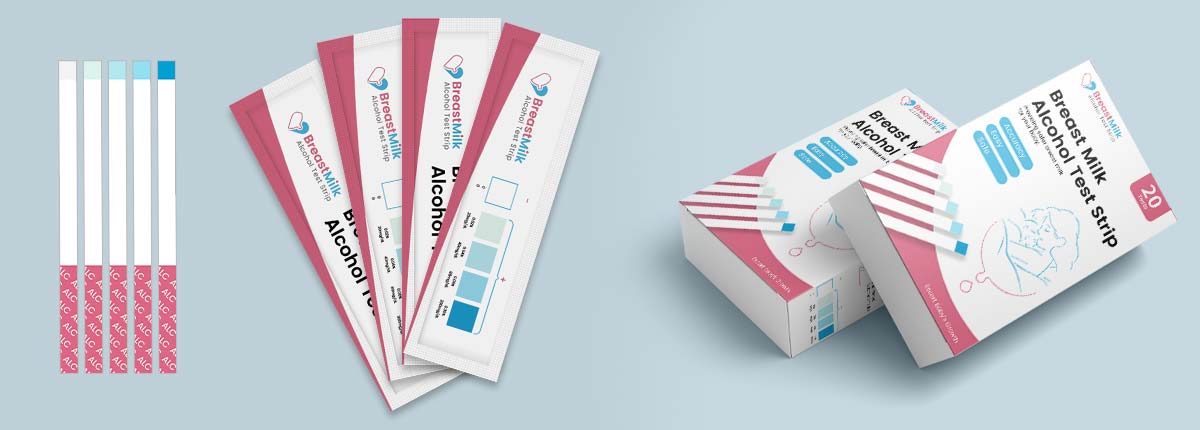
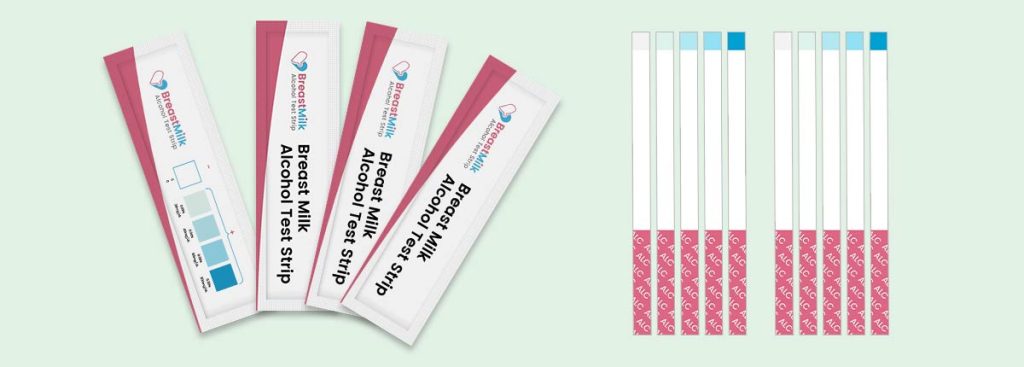
Manufacturers claim that breast milk alcohol test strips effectively detect alcohol levels in breast milk. They state that the strips change color to indicate the presence and concentration of alcohol, ranging from light cream (no alcohol) to dark blue (high alcohol concentration). They advise mothers to avoid feeding milk to their babies if any alcohol is detected, waiting until the test shows the milk is alcohol-free. However, these claims lack strong scientific backing, and most strips do not provide quantitative results.
Expert Opinions
The American Academy of Pediatrics recommends that breastfeeding mothers minimize alcohol consumption. They suggest that if a mother chooses to drink, she should limit her intake to occasional use, not exceeding 0.5 grams of alcohol per kilogram of body weight. For a 60 kg woman, this equals about 2 ounces of liquor, 8 ounces of wine, or 2 beers. The organization also advises waiting at least 2 hours after drinking before breastfeeding to reduce alcohol concentration in breast milk.
Lactation consultants and pediatricians sometimes recommend breast milk alcohol test strips for parents who feel uncertain about alcohol presence in their milk. These strips are non-invasive and provide easy-to-read results within minutes. The table below summarizes some expert and product perspectives:
| Source | Recommendation/Feature |
|---|---|
| UpSpring Milkscreen | Recommended by pediatricians and lactation consultants; non-invasive, quick results |
| BabyCenter | Available over the counter; saturate the strip with milk and follow directions |
Many experts agree that while breastfeeding alcohol test can offer reassurance, they should not replace sound judgment or professional advice. The strips are widely available at drugstores and online, and parents can use them by dipping the strip into the milk for a quick result. However, experts caution that the lack of solid research supporting their effectiveness means parents should not rely solely on these tests to make feeding decisions.
Note: Some parents feel more secure using breast milk alcohol test strips, but experts emphasize that moderate drinking and proper timing usually make these tests unnecessary.
How Do Breast Milk Alcohol Test Strips Work?
The Science
Breast milk alcohol test strips use a chemical reaction to detect alcohol in breast milk. The test pad contains special enzymes that react with alcohol molecules. When a parent dips the strip into a milk sample, the enzymes trigger a color change. The intensity of the color reflects the amount of alcohol present. This process does not measure the exact percentage but gives a visual cue about the possible concentration.
The color change mechanism helps parents interpret results quickly. The table below shows how the color intensity relates to alcohol concentration:
| Color Intensity | Alcohol Concentration |
|---|---|
| Light Blue | 0.02% |
| Dark Blue | 0.30% |
A light blue color suggests a very low alcohol level, while a dark blue color indicates a higher concentration. The strips do not provide a precise measurement, but they offer a general idea of whether alcohol is present in the milk.
How to Use?
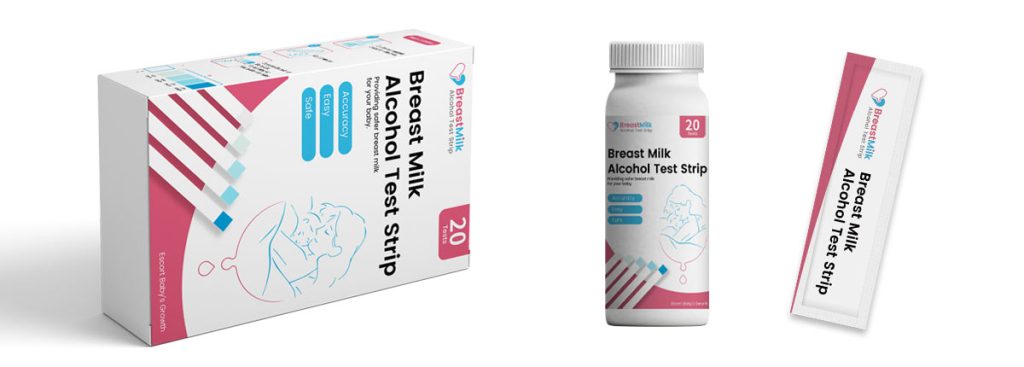
Using breast milk alcohol test strips involves a few simple steps. Parents can follow these directions to check their milk:
- Saturate the test pad with a small amount of breast milk.
- Wait for 2 minutes to allow the reaction to occur.
- Check the strip for any color change.
Tip: Always compare the color on the strip to the guide provided in the package. This helps ensure a more accurate reading.
Parents should use clean hands and containers to avoid contamination. They should also read the instructions included with the test strips before starting. While the process is straightforward, careful handling improves reliability. The strips offer a quick way to screen for alcohol, but they do not replace professional advice or more accurate testing methods.
Limitations of Testing Breast Milk for Alcohol
Common Errors
Testing breast milk for alcohol presents several challenges. Many test strips lack medical-grade accuracy. Most products on the market have not received approval from regulatory agencies. This means results may not always reflect the true alcohol content in breast milk. User error also plays a significant role. If a parent does not follow instructions carefully, the test may give a false reading. For example, using too much or too little milk on the strip can affect the outcome. Some parents may misinterpret the color changes, leading to unnecessary worry or a false sense of security.
Another common mistake involves relying solely on test strips instead of considering time and metabolism. Alcohol leaves breast milk at the same rate it leaves the bloodstream. If a mother drinks moderately and waits a few hours before breastfeeding, the milk usually becomes safe. Many parents believe they must pump and dump after drinking alcohol. However, this practice often proves unnecessary. Pump and dump does not speed up the removal of alcohol from breast milk. The body needs time to metabolize alcohol, not the act of pumping.
Better Alternatives
Healthcare professionals recommend a more practical approach to testing breast milk for alcohol. They suggest that mothers who feel more secure using test strips can do so, but they emphasize moderation and timing. If a mother drinks in moderation and waits for her body to process the alcohol, testing breast milk for alcohol becomes less important. Instead of relying on strips, parents can use a nomogram, a chart that estimates when alcohol will leave the body based on weight and number of drinks. This method offers a science-based way to decide when breastfeeding is safe.
Consulting a healthcare provider gives parents personalized advice. Many experts agree that pump and dump is rarely needed. Pump and dump may help relieve discomfort if a mother feels full, but it does not remove alcohol from the milk faster. Parents should focus on timing and moderation rather than frequent pump and dump sessions. Testing breast milk for alcohol can provide reassurance, but understanding the body’s natural process leads to safer choices.
Making Safe Choices
Interpreting Results
Parents often look for clear answers when using breast milk alcohol test strips. These strips work by saturating the test pad with breast milk and waiting for two minutes. A color change signals the presence of alcohol, with shades ranging from light blue (0.02%) to dark blue (0.30%). No color change means no alcohol is detected. However, these results only show if alcohol is present, not the exact amount.
Note: Even a small amount of alcohol in breast milk can affect infants, especially newborns who metabolize alcohol slowly.
When interpreting results, parents should consider the limitations of the strips. False positives or negatives can occur if the test is not performed correctly. The strips do not measure the exact concentration, so parents should not rely solely on them to make decisions about breastfeeding and alcohol. Consulting a healthcare provider remains the safest approach.
When to Breastfeed?
Timing plays a crucial role in reducing the effects on breastfed babies. Several factors help parents decide when it is safe to breastfeed after drinking alcohol:
- Newborns process alcohol poorly. Avoid drinking until the baby is at least eight weeks old.
- Breastfeed or pump milk before consuming alcohol.
- Limit alcohol intake to one or two standard drinks.
- Wait at least two hours after drinking before breastfeeding.
- Use previously expressed milk if the baby needs to feed before the waiting period ends.
- Eating food while drinking slows alcohol absorption.
- Alcohol can reduce oxytocin, delaying milk let-down and decreasing milk intake.
The amount of alcohol consumed affects how long it stays in both blood and breast milk. For example, one drink usually takes two to three hours to clear, while four drinks may take up to ten hours. Alcohol passes freely into breast milk, so once it leaves the bloodstream, it also leaves the milk.
Excessive alcohol consumption during lactation can negatively impact infant growth and development. High levels may cause drowsiness, weakness, and decreased growth in babies. Alcohol can also reduce a caregiver’s awareness of the baby’s needs, increasing risks.
Parents should always err on the side of caution. When in doubt, waiting longer or seeking professional guidance helps protect the health and safety of breastfed babies. Making informed choices about breastfeeding and alcohol ensures the best outcomes for both mother and child.
Conclusion
Breast milk alcohol test strips offer convenience, but they do not guarantee accuracy or complete breast milk safety. Experts recommend the following for parents concerned about alcohol in breast milk:
- Occasional alcohol use, such as one or two drinks, is generally safe for nursing babies.
- Mothers should wait until they feel neurologically normal before breastfeeding.
- Alcohol levels in breast milk peak 30 to 60 minutes after drinking.
- Nursing before consuming alcohol maximizes the time before the next feeding.
- Waiting at least two hours after drinking reduces alcohol concentration in milk.
Parents should consult healthcare professionals for personalized advice and always make informed choices to protect their child’s health.
FAQ
How Accurate Are Breast Milk Alcohol Test Strips?
Most test strips detect the presence of alcohol but do not measure exact amounts. Studies show that results can vary. These strips may give false positives or negatives. Parents should use them as a general guide, not as a precise measurement.
Can Pumping And Dumping Remove Alcohol from Breast Milk?
Pumping and dumping does not speed up the removal of alcohol from breast milk. The body metabolizes alcohol over time. Once alcohol leaves the bloodstream, it also leaves the milk. Pumping only helps relieve fullness or discomfort.
Are Breast Milk Alcohol Test Strips Safe to Use?
These strips are safe for external use. They do not come into contact with the baby. Parents should follow the instructions carefully. Using clean containers and hands helps prevent contamination of the milk sample.
When Should a Parent Avoid Breastfeeding After Drinking Alcohol?
Parents should avoid breastfeeding if they feel the effects of alcohol. Waiting at least two hours after one standard drink reduces risk. For multiple drinks, waiting longer is safer. Using previously expressed milk can help feed the baby during this time.
Do All Brands of Test Strips Work the Same Way?
Most brands use similar enzyme-based technology to detect alcohol. However, sensitivity and color guides may differ. Parents should read the instructions for each brand. Comparing results to the provided color chart ensures better accuracy.