


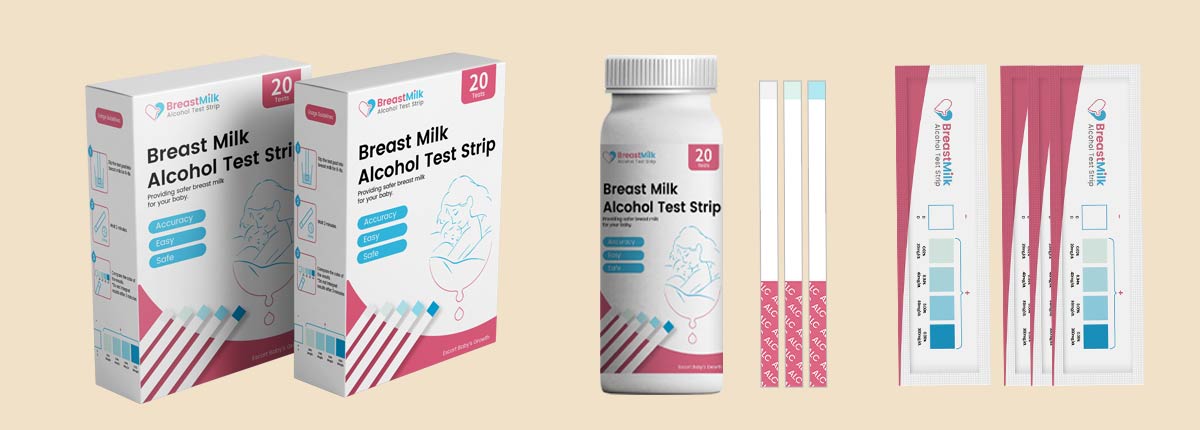
Most breastfeeding alcohol tests give results in just 2 minutes. A parent can use a test at home without special training. The process stays simple and quick. The breastfeeding alcohol test uses a color change to show if alcohol is present in breast milk. This method offers fast answers for those concerned about alcohol exposure during breastfeeding.
Key Takeaways
- Breastfeeding alcohol test provides results in just 2 minutes, allowing parents to make quick decisions about feeding.
- Factors like maternal weight and alcohol intake affect how long alcohol stays in breast milk; waiting longer after drinking increases safety for the baby.
- Using a breast milk alcohol test strip is simple: express milk, dip the strip, and check for color change to determine alcohol presence.
- A positive test indicates alcohol is present; parents should consider waiting before breastfeeding to ensure safety.
- Consult healthcare professionals if unsure about test results or if unexpected symptoms occur in the baby.
Test Timing
How Fast Are Results?
Breastfeeding alcohol test strips deliver results rapidly. Most products on the market promise answers in just two minutes. This speed allows parents to make quick decisions about feeding. The following brands highlight the typical timing:
- Easy@Home Breastmilk Alcohol Test Strips: Results in 2 minutes.
- Exploro At Home Breast Milk Alcohol Test Strips: Results in 2 minutes.
- BMATS Alcohol Test Strips for Breast Milk: Results in 2 minutes.
These test strips use a simple color change to indicate the presence of alcohol. The process does not require special equipment or training. Parents can rely on the test for immediate feedback before breastfeeding.
What Can Affect Timing?
Several factors influence how quickly and accurately a test strip detects alcohol in breast milk. The test itself provides results in minutes, but the timing of alcohol appearance in breast milk depends on individual circumstances. Maternal weight and the amount of alcohol consumed play significant roles. For example:
- Alcohol elimination from breast milk varies with maternal weight and intake.
- A standard drink remains detectable in breast milk for about 2.5 hours for a person weighing 132.3 lbs (60 kg).
- Consuming a second drink can extend detection time to approximately 5 hours.
- Binge drinking may result in alcohol being present for over 9 hours.
A person may feel the effects of alcohol before the test detects it in breast milk. One individual used Milkscreen strips after drinking and found that the test did not show a positive result until about 2.5 hours had passed. The test remained negative even when the person felt intoxicated, showing a delay between physical sensation and actual detection in milk.
Tip: Always consider both the test result and the time since drinking before breastfeeding. Waiting longer after consuming alcohol increases safety for the baby.
Using a Breastfeeding Alcohol Test
How the Test Works?
A breastfeeding alcohol test uses a chemical reaction to detect ethanol in breast milk. When a person applies milk to the test pad, the pad reacts with any alcohol present. This reaction causes a visible color change. The test is sensitive to low concentrations of alcohol and does not produce false positives from substances like formaldehyde. The breast milk alcohol test strip provides results quickly, usually within two minutes.
The following table compares features of popular alcohol testing strips:
| Feature | UpSpring Test Strip | Milkscreen® Test Strip |
|---|---|---|
| Testing Time | 2 minutes | 2 minutes |
| Low Threshold | 13.1 mg/dL | Not specified |
| False Positives | None | None |
A color change at or above 13.1 mg/dL signals the presence of alcohol in the milk. This threshold helps parents decide if the milk is safe for their baby. The test remains reliable even if the milk is slightly acidic or has been stored.
Note: Breast milk alcohol test strips are designed for quick and accurate results, making them a practical choice for home use.
How to Use the Test?
Using a breast milk alcohol test strip involves a few simple steps. Anyone can perform the test at home without special training. Follow these instructions for best results:
- Open the package and remove one test strip.
- Express a small amount of breast milk onto the pad end of the strip, ensuring the pad is fully saturated.
- Wait for two minutes.
- Observe the color of the pad. A color change indicates alcohol is present at or above 13.1 mg/dL.
Alcohol testing strips provide a clear visual cue, making it easy to interpret the results. If the pad changes color, the milk contains enough alcohol to reach the test’s threshold. If there is no color change, the milk is below the detectable level.
Tip: Always use a fresh test strip for each sample to ensure accuracy. Store the strips in a cool, dry place.
The breastfeeding alcohol test offers peace of mind for parents who want to ensure their milk is safe. Alcohol testing strips are a reliable tool for anyone concerned about alcohol exposure during breastfeeding.
Testing Breast Milk: Accuracy and Results
Reliability of Results
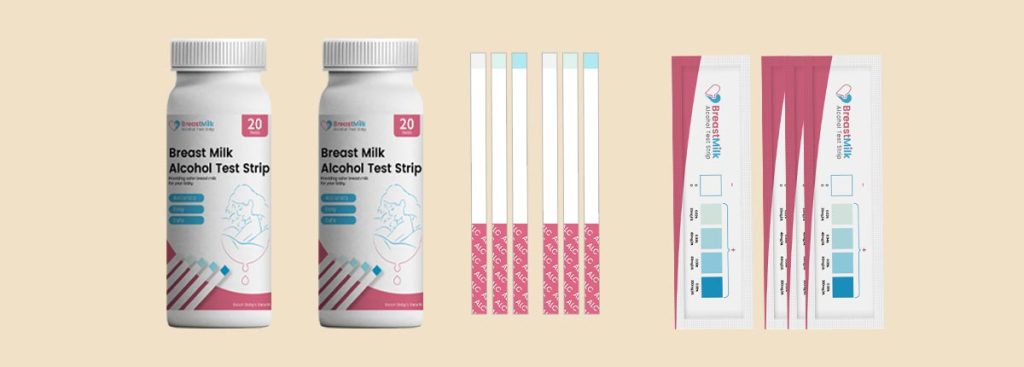
Many manufacturers claim that their alcohol breast milk test strips offer up to 99.9% accuracy. These claims attract parents who want reliable answers when testing breast milk. However, experts have raised concerns about the reliability of at-home test strips compared to laboratory testing. Laboratory methods use advanced equipment and strict procedures, which often provide more precise results.
- At-home test strips may not match the accuracy of laboratory analysis.
- The absence of standardized regulatory guidelines in the United States and Europe means product quality can vary.
- Inconsistent performance may affect consumer trust in these products.
The British Medical Association recommends avoiding alcohol while breastfeeding. The Royal College of Obstetricians and Gynaecologists suggests that occasional low-level drinking may be safe. Researchers continue to debate the effects of low-to-moderate alcohol exposure on infants. This ongoing debate highlights the need for careful interpretation when testing breast milk at home.
Note: Parents should use alcohol strips for breast milk as a helpful tool, but not as the only factor in decision-making.
Interpreting the Color Change
A positive result on a breastfeeding alcohol test means the breastmilk contains alcohol at or above the test’s detection threshold. Most strips detect alcohol at levels as low as 0.02%. This level is below the 0.03% threshold where experts have observed any potential impact on infants. A positive result does not always mean the milk is unsafe. Parents should consider the timing of alcohol consumption and their own metabolism when deciding whether to breastfeed.
A negative result indicates that the alcohol level in the milk is below the test’s detection limit. This usually means it is safe to breastfeed. However, each person metabolizes alcohol differently, so results may vary.
Common concerns about reading and trusting the results include:
- Difficulty matching the color change to the reference chart.
- Worry about false positives or negatives.
- Uncertainty due to lack of regulatory oversight.
Parents should follow the instructions carefully and use the reference chart provided with the test. If unsure, they can consult a healthcare provider for guidance.
| Result Type | What It Means | Next Steps |
|---|---|---|
| Positive | Breastmilk contains alcohol at detectable level | Consider waiting before feeding |
| Negative | Alcohol below detection limit | Usually safe to breastfeed |
Tip: Pumping and discarding milk does not speed up alcohol removal. Only time reduces alcohol in breast milk.
After the Test
What to Do Next?
Breastfeeding mums often wonder what steps to take after using a breast milk alcohol test. Medical guidelines recommend waiting before breastfeeding if alcohol was consumed. Most sources advise a minimum waiting period of two hours after drinking. This recommendation helps reduce the risk of alcohol passing to the baby through breast milk. The following table summarizes advice from leading organizations:
| Source | Recommended Waiting Period |
|---|---|
| IARD | 2 hours |
| Nebraska Med | 2 hours |
| HSE | 2 hours per standard drink |
Breastfeeding moms should avoid feeding immediately after drinking. They may consider expressing milk and storing it for later use. Some choose to pump and dump, believing it will remove alcohol from their system. However, only time lowers alcohol levels in breast milk. Pump and dump does not speed up the process. If the test shows alcohol is present, waiting remains the safest option.
Tip: Breastfeeding and alcohol do not mix well. Waiting at least two hours after drinking protects the baby.
When to Retest or Seek Advice?
Breastfeeding mums may feel uncertain about test results. If confusion arises, retesting can provide reassurance. Using a fresh test strip ensures accuracy. If results remain unclear, consulting a healthcare provider offers expert guidance. Breastfeeding moms should seek advice if they have questions about breastfeeding and alcohol or if they notice unexpected symptoms in their baby.
Pump and dump may seem helpful, but it does not eliminate alcohol from breast milk. Only time and metabolism reduce alcohol levels. If a mother drinks more than one standard drink, she should wait longer before breastfeeding. Healthcare professionals can answer questions and help mothers make informed decisions.
Note: Breastfeeding and alcohol require careful management. When in doubt, waiting and seeking medical advice support the health of both mother and baby.
Conclusion
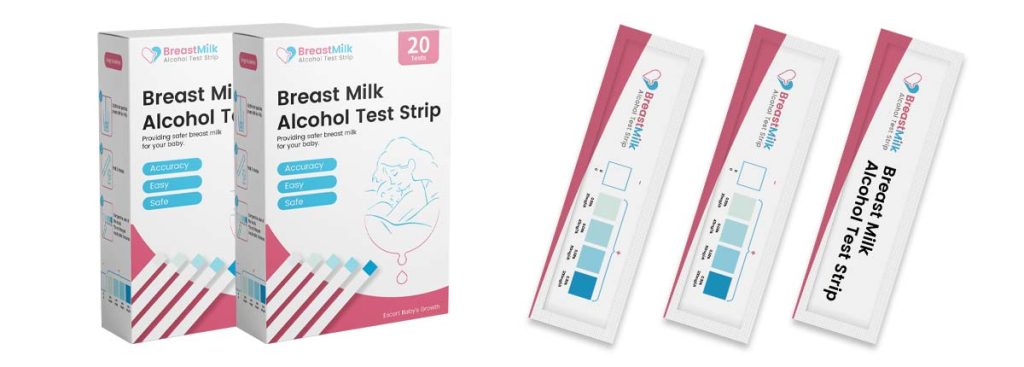
Breastfeeding alcohol test strips offer fast results in just two minutes. They provide a simple way for mothers to check breast milk safety and reduce uncertainty after alcohol consumption. Many users appreciate the peace of mind these strips bring, especially when guessing could cause distress for the baby.
| Feature | Benefit |
|---|---|
| Quick Results | Answers in 2 minutes |
| Easy to Use | Express milk, dip strip, check color |
| Reliable | Science-backed detection method |
Mothers should follow safety guidelines and consult healthcare professionals if unsure. Test strips help, but they should not replace expert advice.
FAQ
How Accurate Are Breast Milk Alcohol Test Strips?
Manufacturers claim up to 99.9% accuracy. Laboratory tests may provide higher precision. Users should follow instructions closely for best results.
Note: Accuracy can vary between brands.
Can Breast Milk Alcohol Test Strips Detect Low Levels of Alcohol?
Most strips detect alcohol at or above 13.1 mg/dL. This level is below what experts consider risky for infants.
- Detection threshold: 13.1 mg/dL
- Safe for most situations
Is It Safe to Breastfeed After a Negative Test Result?
A negative result means alcohol is below the detection limit. Most experts agree breastfeeding is safe after a negative test.
Tip: Wait at least two hours after drinking before feeding.
Do Medications or Foods Affect the Test Results?
Breast milk alcohol test strips react only to ethanol. Medications and foods do not cause false positives.
- Only alcohol triggers color change
- No interference from common substances
How Should Someone Store Breast Milk Alcohol Test Strips?
Store strips in a cool, dry place. Avoid exposure to moisture or heat.
Table:
Storage Tip Reason Cool location Prevents degradation Dry environment Maintains accuracy