

Understanding Alcohol in Breast Milk
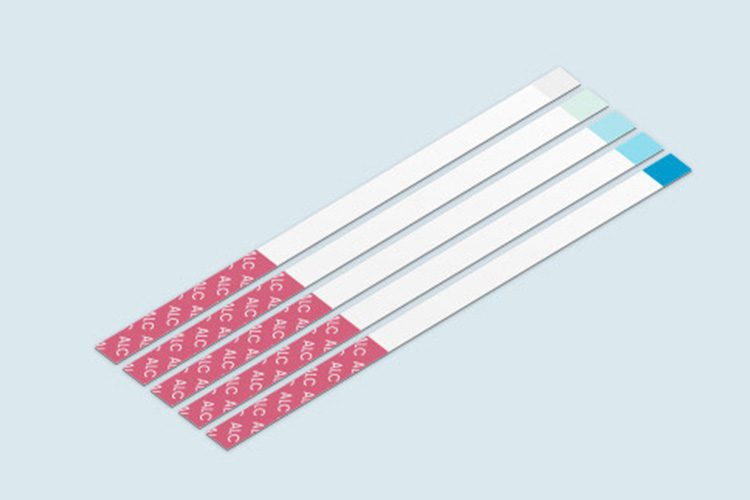
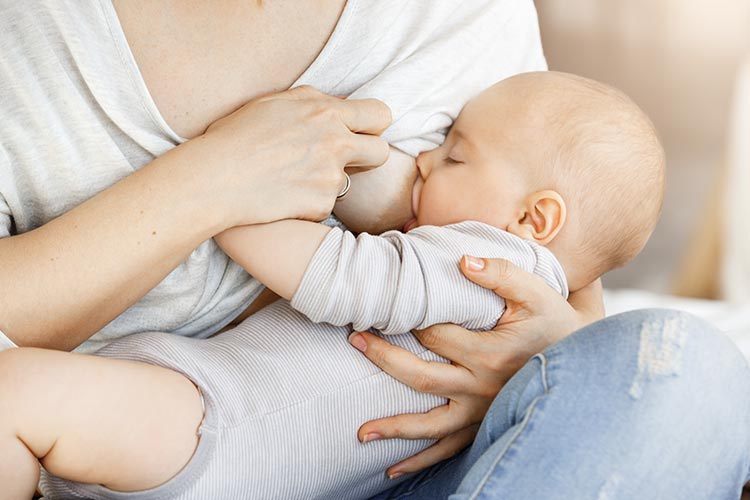
When a breastfeeding mother consumes alcohol, it enters the bloodstream and then diffuses through the blood into the breast milk. The concentration of alcohol in breast milk is usually similar to that in the blood. After drinking, alcohol levels in breast milk typically peaks around 30 to 60 minutes, although the exact time varies depending on the type of drink, the amount consumed and whether it is accompanied by food. As the body metabolizes, the alcohol content in the blood and breast milk will gradually decrease. A variety of factors can affect the alcohol in breast milk, including the mother’s weight, metabolic rate, drinking habits and the duration of breastfeeding. For instance, drinking alcohol with an empty stomach may cause alcohol to reach its peak rapidly, while eating can delay absorption. Although occasional light drinking usually does not have a significant impact on infants, frequent or heavy drinking may affect the baby’s sleep, eating pattern and overall development.
Therefore, understanding the metabolic patterns of alcohol in breast milk can help mothers arrange their breastfeeding time reasonably and make scientific judgments. Many mothers will use the alcohol breast milk test strip, which can quickly and conveniently detect the alcohol content in breast milk. Using test strip before breastfeeding can effectively reduce the risk of accidental exposure to alcohol for infants and plan breastfeeding times more effectively.
Alcohol Breast Milk Test Strip Reaction for Different Alcohol Types
Alcohol breast milk test strip can detect alcohol in breast milk but different types of alcoholic beverages can cause slight differences in the reaction of the strip. This allows mothers to interpret test strip results accurately and make informed breastfeeding decisions. Here are the reaction descriptions for different alcohol types:
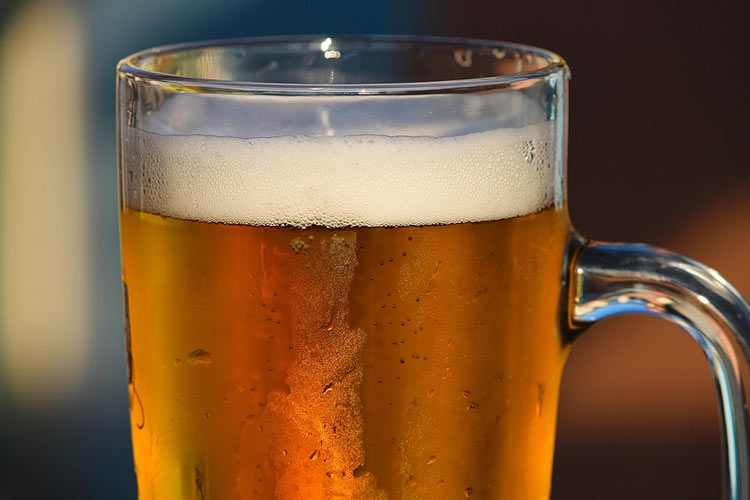
Beer
generally has a low alcohol content around 4-6%. When a breastfeeding mother consumes beer, small amounts may produce only a very light color change on the alcohol breast milk test strip. To show a more noticeable reaction, a larger volume or multiple drinks might be needed. This makes the strip useful for detecting cumulative alcohol intake over time.

Wine
Wine usually contains 10-15% alcohol. Even moderate consumption can result in a moderate color change on the alcohol breast milk test strip. Compared with beer, the strip responds faster and more visibly due to the higher ethanol concentration, giving mothers a clearer indication of alcohol presence in breast milk.
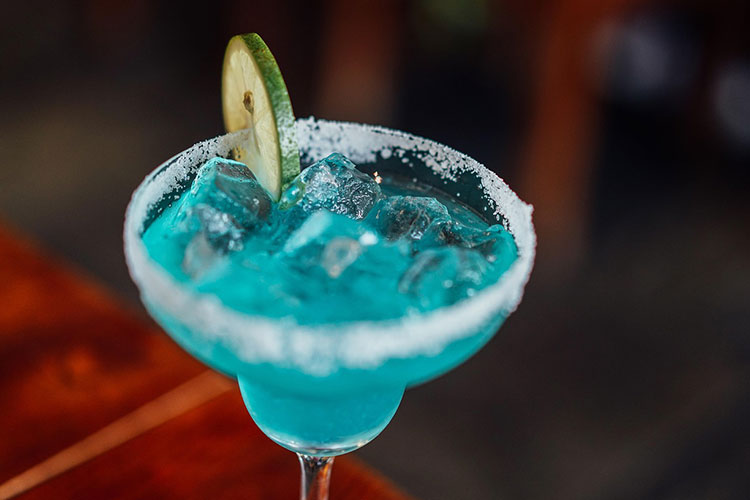
Liquor
Liquor typically has a high alcohol content around 40% or more. Even a small amount can cause a strong and rapid color change on the breast milk test strip, providing the most immediate indication of alcohol in breast milk. This makes the strip particularly useful for detecting stronger alcoholic beverages.
Factors Affecting Alcohol Breast Milk Test Strip Results
The accuracy of the alcohol breast milk test strip can be influenced by several factors, which mothers should understand and interpret results correctly.

Alcohol consumption timing
Alcohol in breast milk peaks approximately 30-60 minutes after drinking and gradually decreases as the body metabolizes it. Testing too soon after drinking may show higher levels, while waiting longer may result in lower readings.

Types of alcohol
Large amounts of alcohol or beverages with high alcohol content (such as liquor) usually produce more obvious color changes on the breast milk test strip. Due to the lower alcohol content, beer or wine may require a larger amount to show the same reaction.
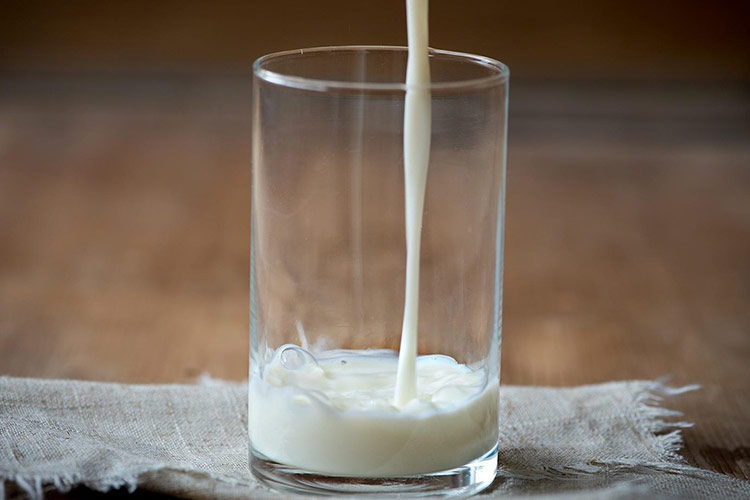
Hydration and milk volume
Higher milk volume may slightly dilute alcohol concentration, potentially resulting in lighter color changes on the alcohol breast milk test strip. Similarly, hydration levels and milk production may subtly influence the detection result.
Medication
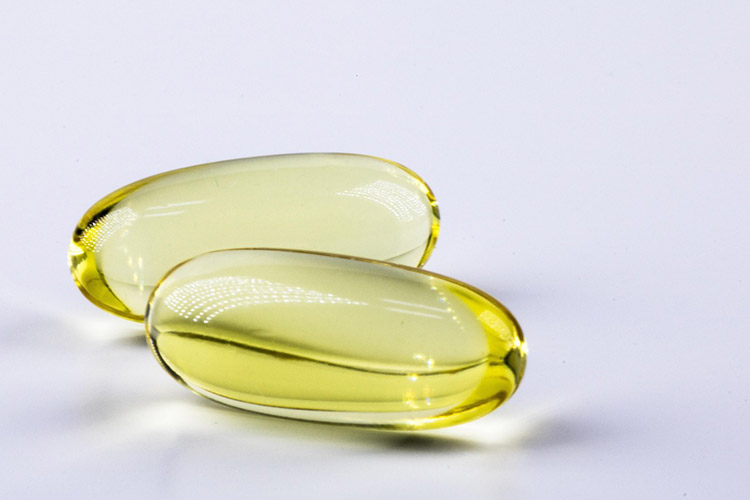
Some medications, such as oral solutions, may contain alcohol. If a breastfeeding mother takes them, the alcohol breast milk test strip may detect alcohol in the milk even if no alcoholic beverages were consumed.
Temperature of breast milk
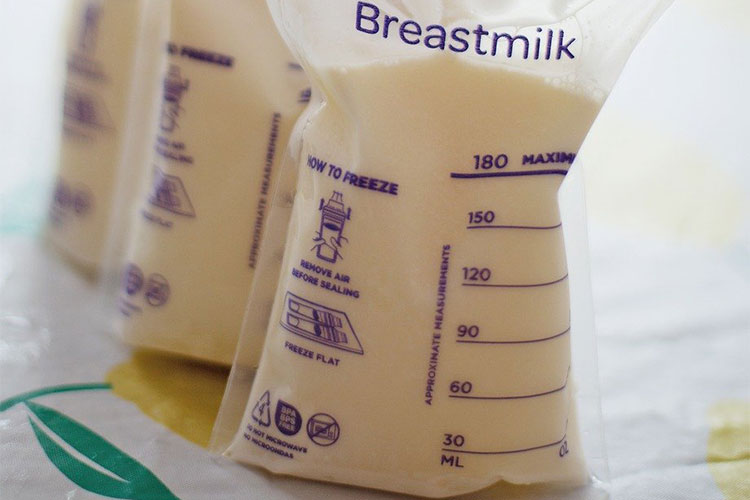
The temperature of breast milk may slightly affect the color response of breastfeeding test strips. Breast milk which is too hot or too cold may change its color depth, making the result appear lighter or darker than at normal temperatures.
Usage of test strip
Operating in accordance with the instructions, including controlling the soaking time and reading the results within the specified time, is crucial for obtaining accurate tests. Improper use or read the test strips too early or too late may lead to inaccurate results.
Alcohol Breast Milk Test Strip vs. Pump and Dump Method
Alcohol breast milk test strip can detect alcohol in breast milk but different types of alcoholic beverages can cause slight differences in the reaction of the strip. This allows mothers to interpret test strip results accurately and make informed breastfeeding decisions. Here are the reaction descriptions for different alcohol types:
What is Pump and Dump Method?
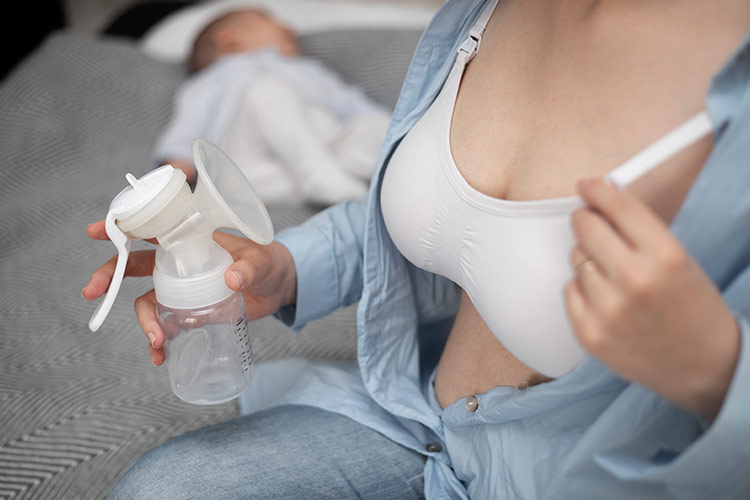
The method involves pump out and discard breast milk after drinking alcohol to prevent the baby from consuming alcohol. It relies on waiting for the body to metabolize alcohol before breastfeeding. But it cannot provide real-time information on the alcohol in breast milk and may lead to unnecessary waste of breast milk.
Compared with pump and dump method, the alcohol breast milk test strip provides a faster and more precise alternative option. By directly detecting alcohol in breast milk, it allows mothers to know exactly when it is safe to breastfeed, reducing waste and avoiding unnecessary interruptions in feeding. Unlike pump and dump, which is based on estimates and waiting time, the breast milk test strip delivers immediate, actionable results.
Frequency of Testing with Alcohol Breast Milk Test Strip
The proper usage of alcohol breast milk test strip can help breastfeeding mother effectively monitor the alcohol level in their breast milk and scientifically arrange breastfeeding. The recommended frequency of testing depends on alcohol consumption, time and breastfeeding plan.
●After alcohol consumption: It is generally recommended to test breast milk about 30-60 minutes after consuming alcohol as the alcohol concentration usually peaks at that time.
●Before breastfeeding: Testing before breastfeeding can help ensure that alcohol levels have decreased to a safe range. It is useful to maintain breastfeeding confidence.
●Regular monitoring: It can help track alcohol metabolism and its impact on breast milk, providing peace of mind for breastfeeding mother.
Avoiding Mistakes with Alcohol Breast Milk Test Strip
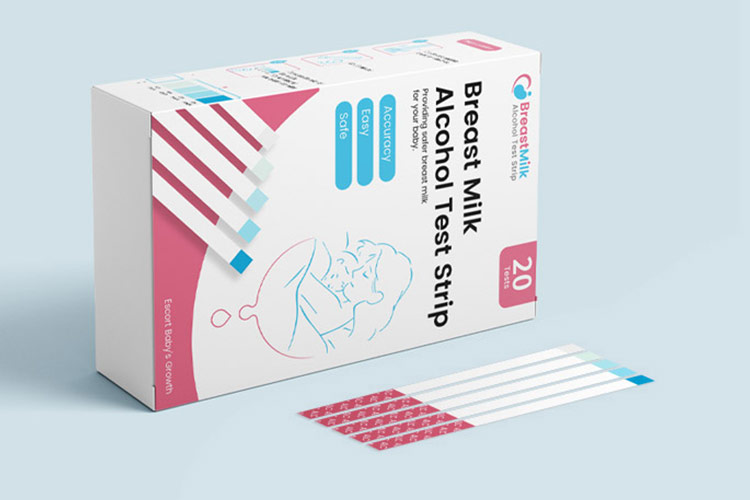
Avoiding Mistakes with Alcohol Breast Milk Test Strip
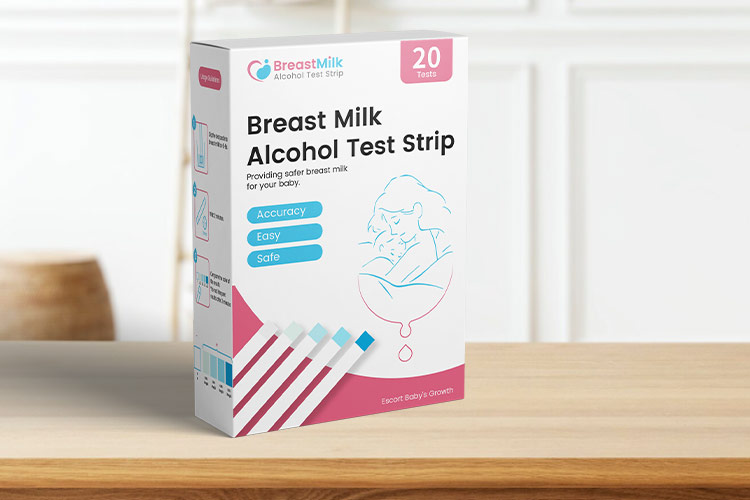
Using the alcohol breast milk test strip incorrectly can lead to inaccurate results. In addition, using expired strips or storing them in unsuitable conditions may affect sensitivity. Breastfeeding mother should carefully follow the instructions, use milk at a normal temperature and store strips properly to ensure accurate readings and make safe breastfeeding decisions. Here are some common mistakes when using the alcohol breast milk test strip:
●Dipping the strip incorrectly
●Reading results too early or too late
●Using a contaminated sample container
●Testing milk at improper temperature
●Using expired or improperly stored strip
●Dipping the strip incorrectly
●Reading results too early or too late
●Using a contaminated sample container
●Testing milk at improper temperature
●Using expired or improperly stored strip
Alcohol Breast Milk Test Strip Storage Guide
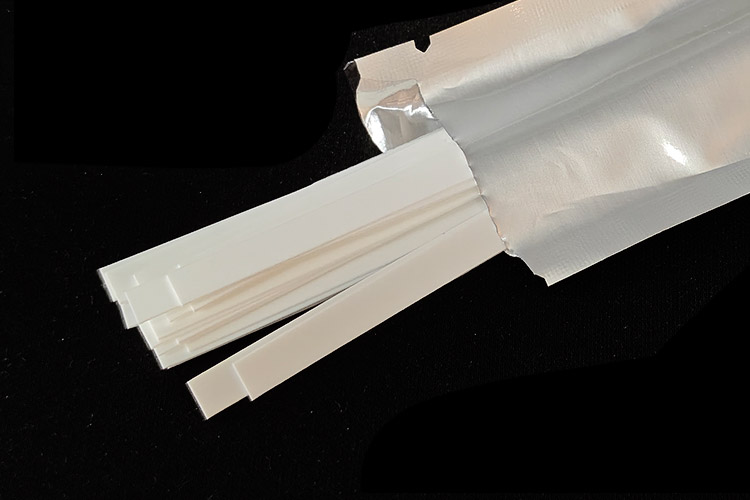
Storage conditions of the alcohol breast milk test strip, including temperature and humidity, can influence its sensitivity. Exposure to direct sunlight or moisture may reduce accuracy. Therefore, it is recommended to store strips properly and use under optimal conditions. Breast milk alcohol test strip should be placed in a cool and dry place, avoiding direct sunlight, high humidity and extreme temperatures. Before use, breastfeeding mothers should check the validity period, as expired test strips may lead to inaccurate results. Following these storage guidelines can ensure that each test reliably reflects the alcohol level in breast milk, helping mothers safely and scientifically schedule breastfeeding.
Inquiry for Alcohol Breast Milk Test Strip
We would like to hear from you. Please send us a message by filling out the form below and we will get back with you shortly.